High-Performance Computing Center Stuttgart


HLRS Celebrates its 30th Anniversary

HLRS logo with motto "Thirty Years, One Vision"

In 2026 the High-Performance Computing Center Stuttgart (HLRS) is proud to mark the 30th anniversary of its founding. Established by Prof. Roland Rühle at the University of Stuttgart in 1996 as Germany's first national high-performance computing (HPC) center, HLRS has for decades been a pillar of the global HPC community focusing on the application of computation for engineering science and global systems science. As it continues to evolve in response to changes in technology and society, HLRS remains driven by a consistent mission: 

  • operating world-class, state-of-the-art computing systems that enable advanced research in Europe
  • offering industry the computational infrastucture it requires to innovate and compete globally
  • educating experts in operating and using HPC systems successfully
  • conducting research to improve the capabilities, efficiency, and sustainability of high-performance computing
  • demonstrating how HPC can support society in addressing global challenges

Voices from the HLRS community

Throughout this anniversary year, we have been asking partners from across the HLRS community to comment on what makes HLRS unique, how the center contributes to the field of high-performance computing, and why its HPC resources and expertise are important for the work they do. We invite you to explore their responses below.
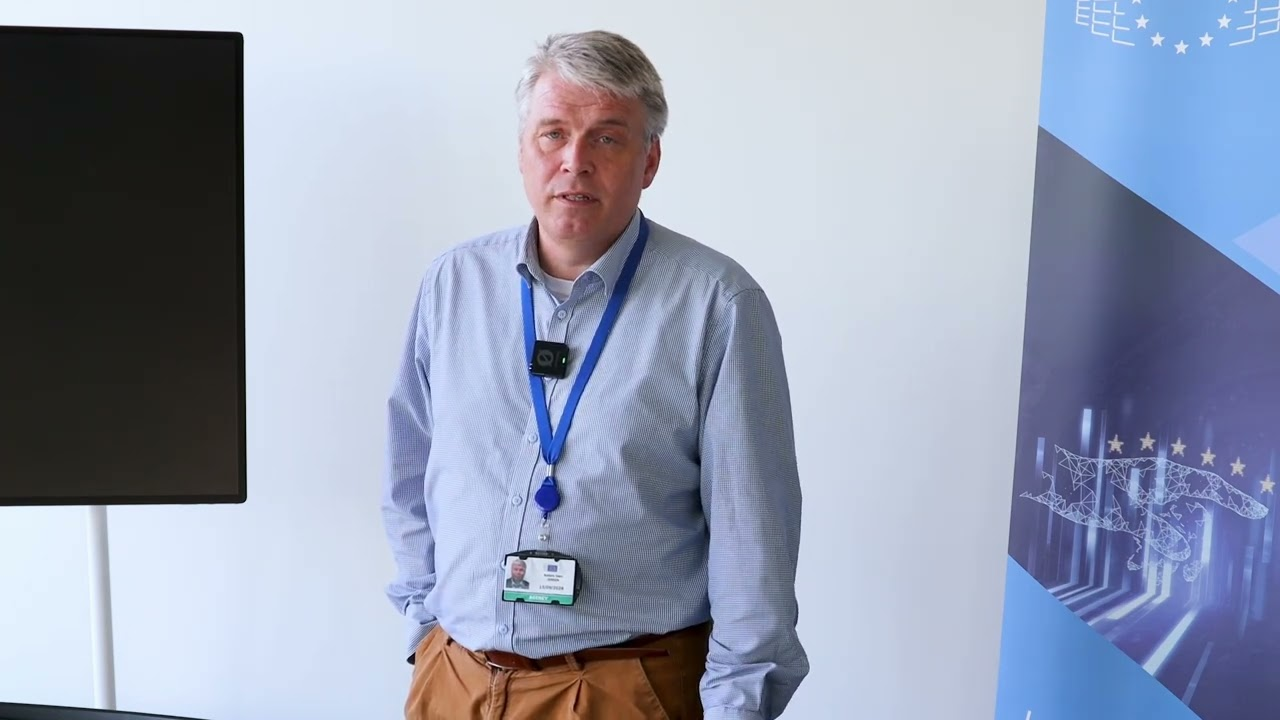
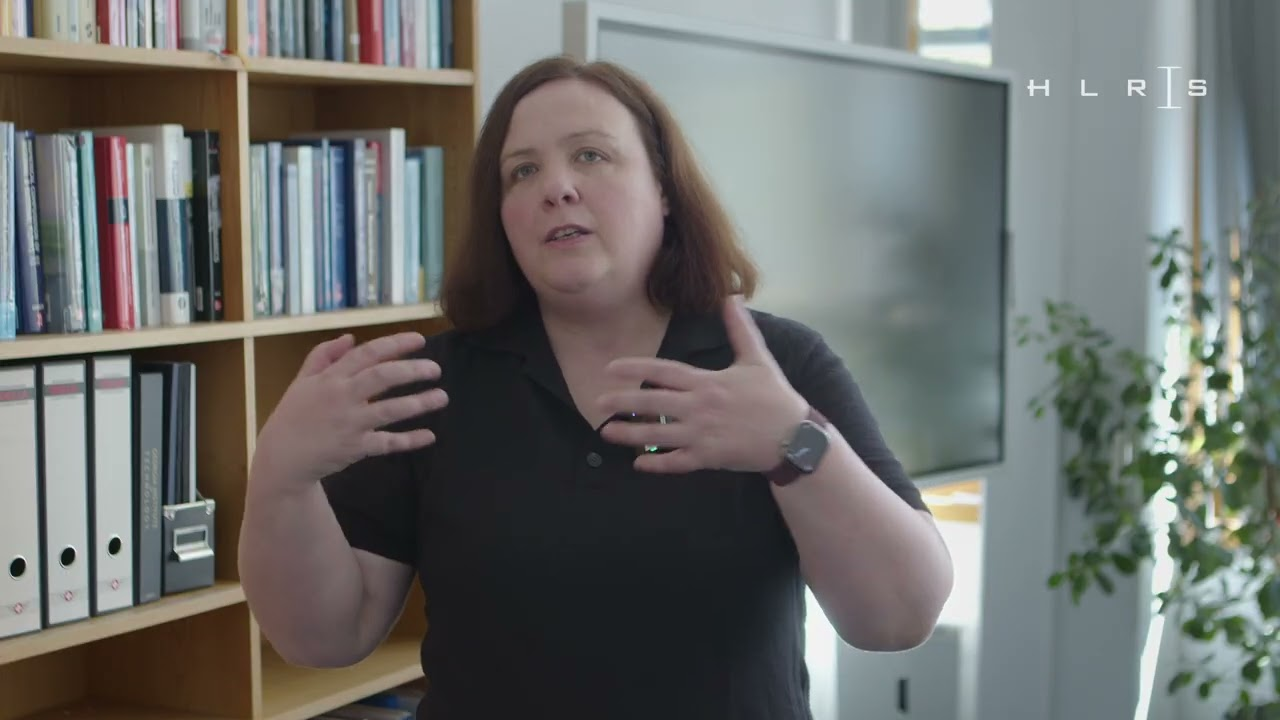
  • Anders Dam Jensen (EuroHPC Joint Undertaking): HLRS and Europe’s HPC Future
  • Andrea Beck (IAG, University of Stuttgart): New Horizons for Simulation and AI at HLRS
  • Tom Schneider (TRUMPF): Industry, AI, and the Value of Collaboration with HLRS
  • Matthias Meinke (AIA, RWTH Aachen): A Long-Term User Perspective on HLRS
  • Mark Parsons (EPCC): Partnership and the Future of European HPC
  • Gaël de Maisonneuve (Consul Général, France): HLRS and International Collaboration
  • Prof. Peter Middendorf (University of Stuttgart): Why HLRS Matters for the University of Stuttgart
  • Benedetto Risio (RECOM Services GmbH): Faster Simulation with HPC
  • Sabine Roller (DLR & TU Dresden): Virtual Product Development and the Role of HPC
  • Hiroyuki Takizawa (Tohoku University): International Collaboration in HPC
  • Dieter Kranzlmüller (Leibniz Supercomputing Centre): HLRS and HPC in Germany
  • Andreas Wierse (Sicos BW): Enabling Innovation in the Region with HLRS
  • Matthias Hauser (Media Solution Center Baden-Württemberg): Connecting HPC with Culture and Society
  • Guy Lonsdale (scapos AG): 30 Years of HLRS Collaboration
  • Anna Steiger (University of Stuttgart): HLRS and the Strength of the University of Stuttgart
  • Thomas Hauser (NCAR): A Global View on HPC and HLRS
  • Steve Conway (Intersect 360 Research): 30 Years of HLRS in the HPC Landscape
  • Thomas Ludwig (German Climate Research Center): HLRS’s Strategic Role

Learn more about the history of HLRS

Timeline: a history of high performance

Learn more about key events in the history of the High-Performance Computing Center Stuttgart.

Simulation for all: the politics of supercomputing in Stuttgart

Download this free book, which investigates the development of supercomputing in Stuttgart since 1970.