High-Performance Computing Center Stuttgart


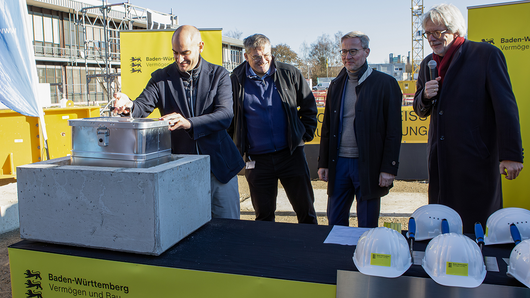
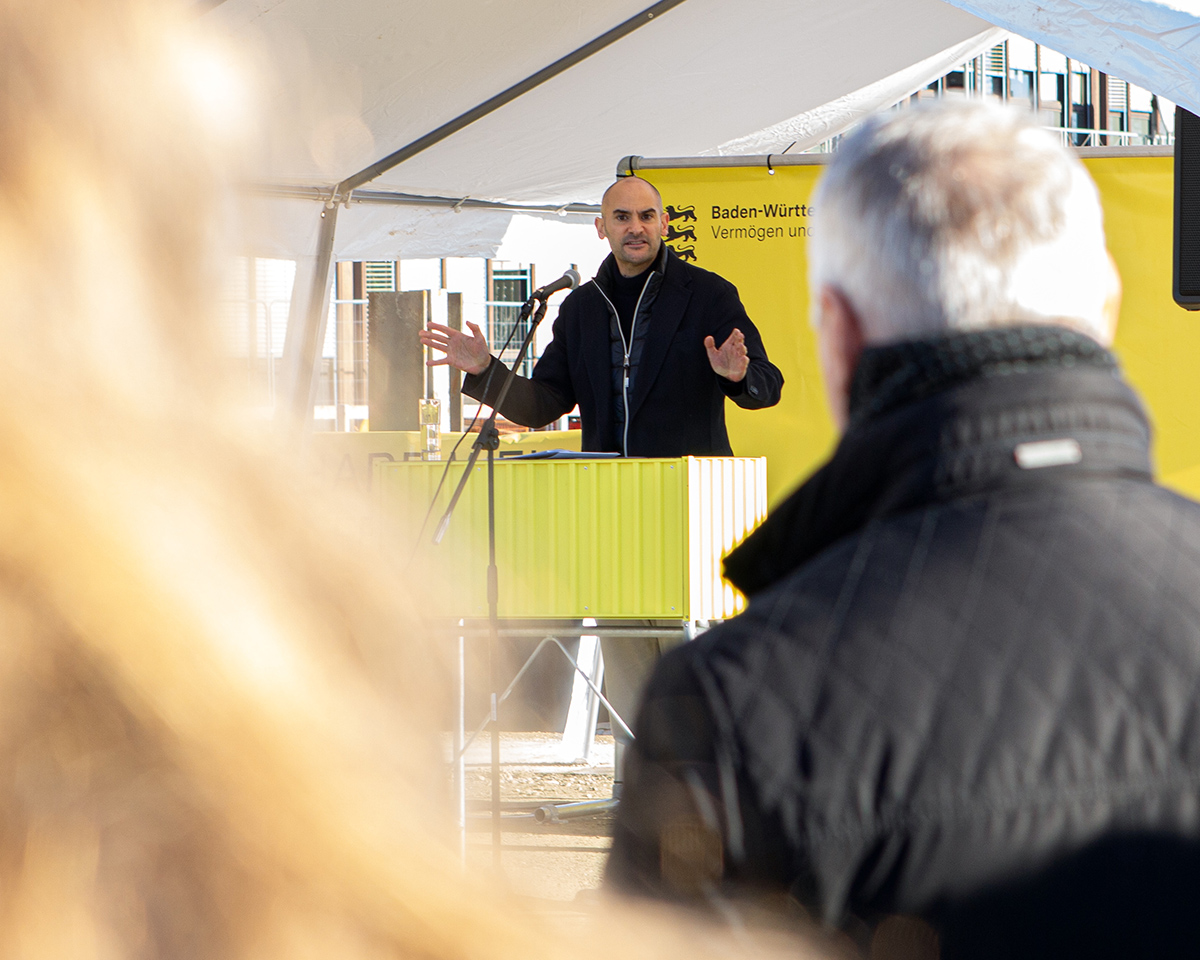
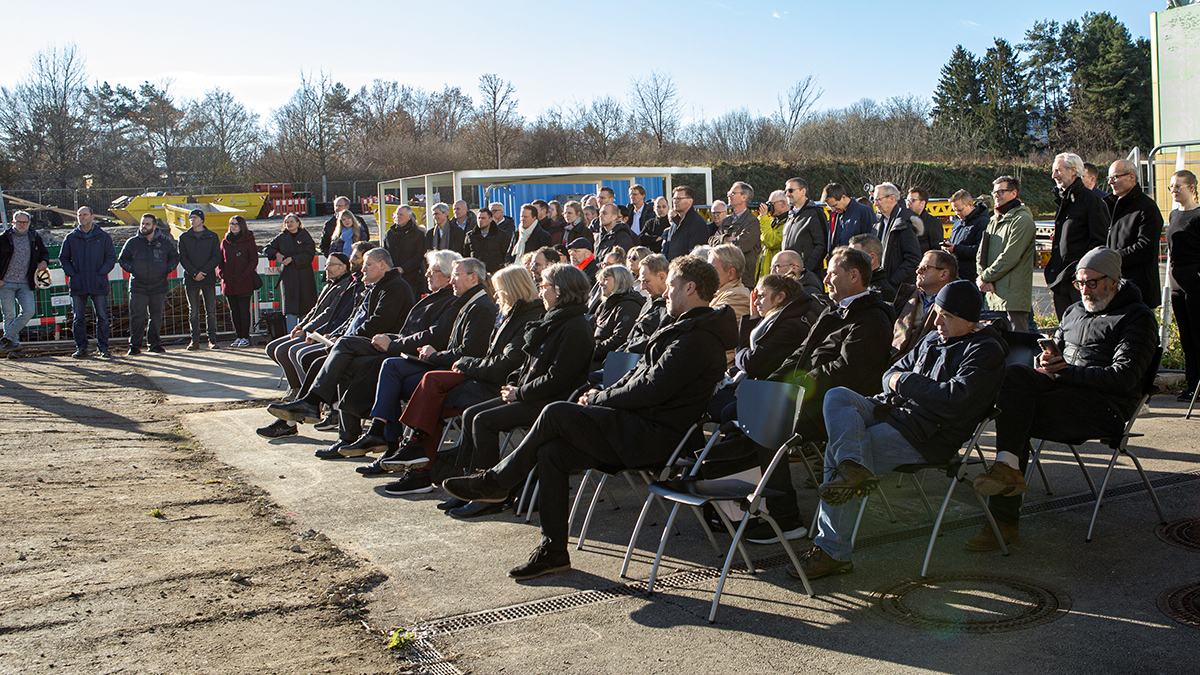
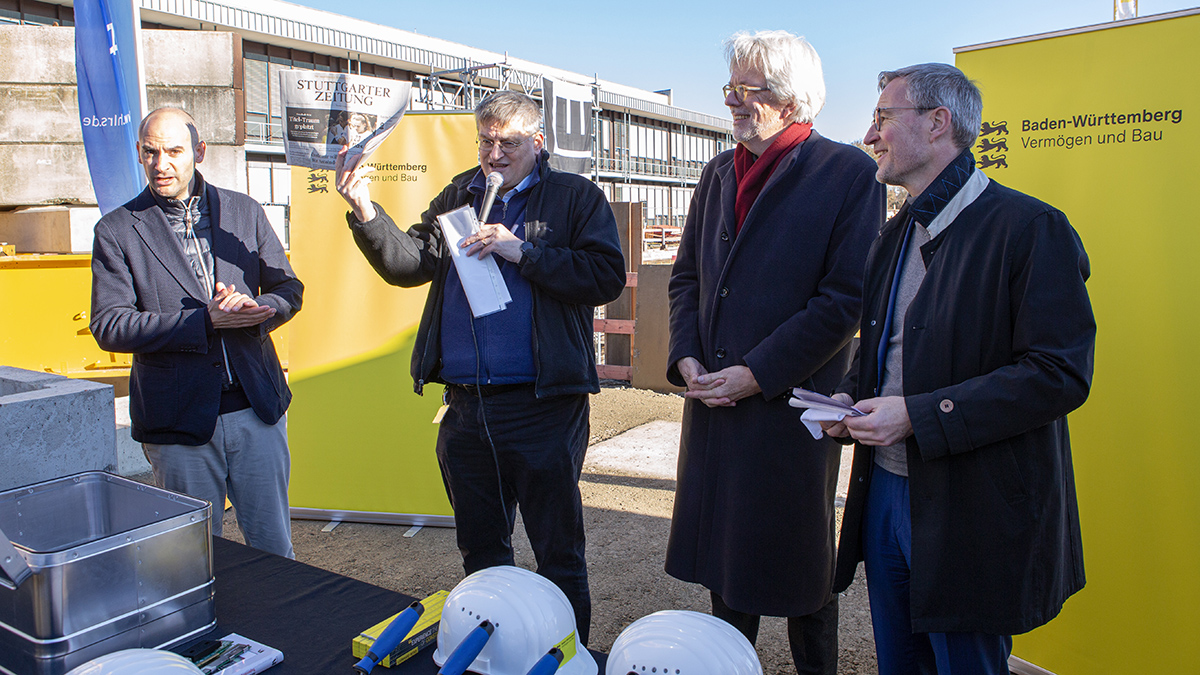
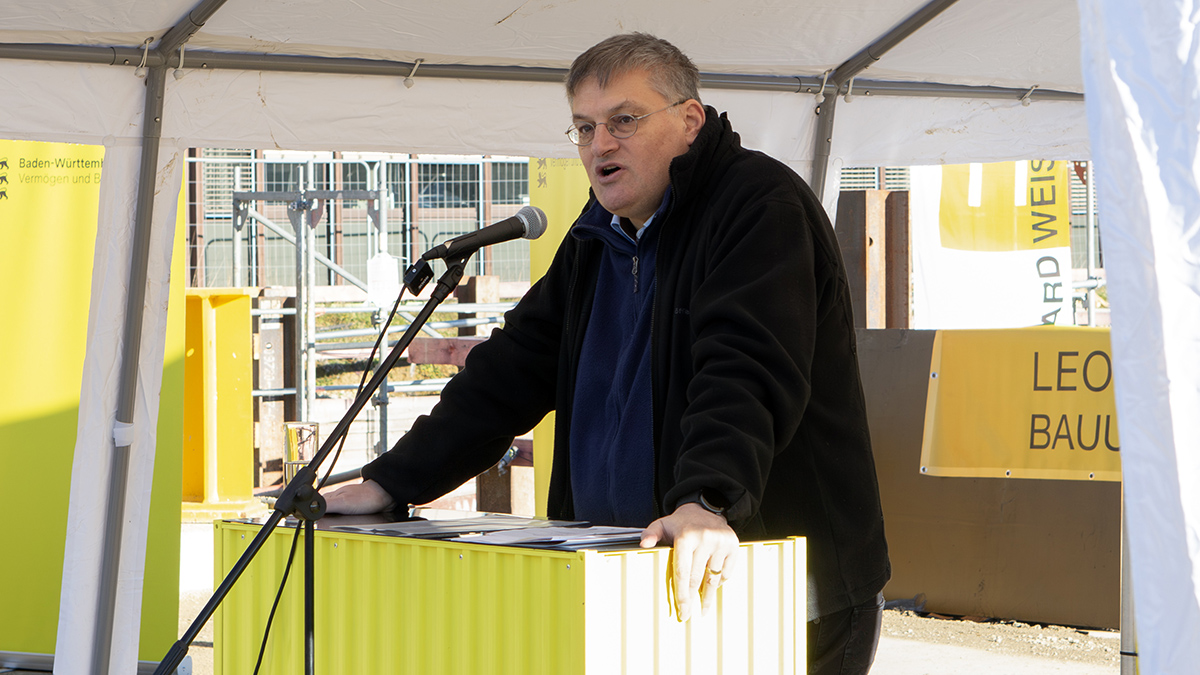
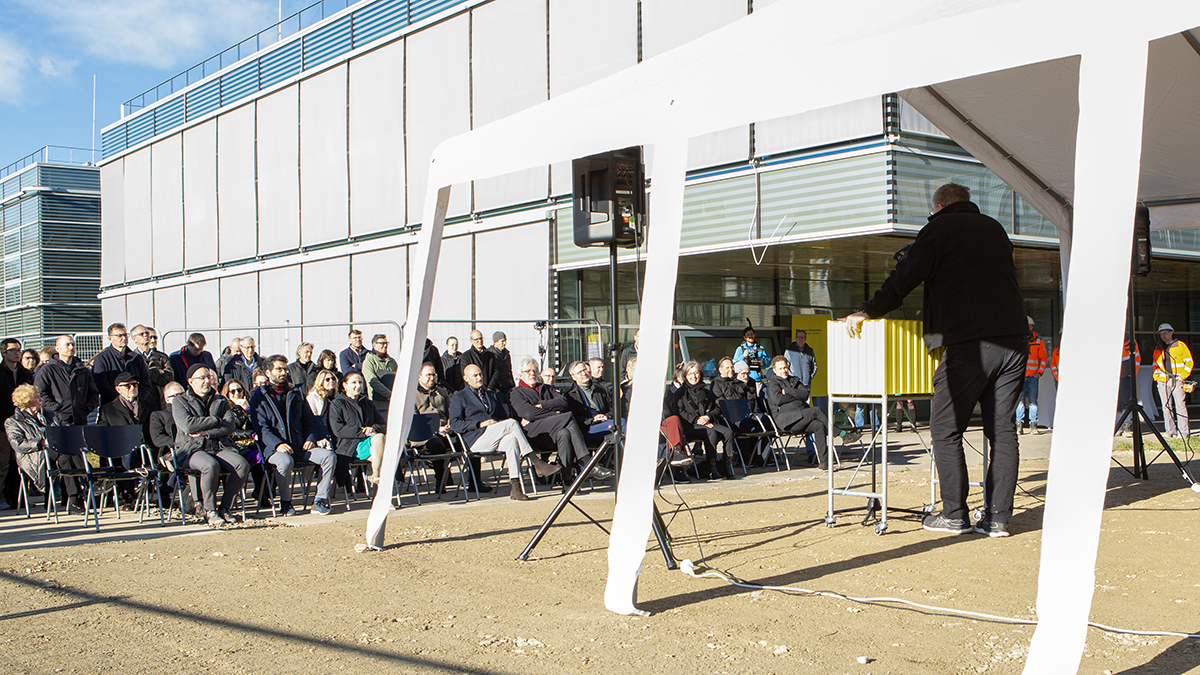
In a press release announcing the laying of the cornerstone, Baden-Württemberg Finance Minister Danyal Bayaz said, “We are constructing a state-of-the-art building, promoting innovation and advanced research in the state, and investing in our future. This will create space for a new generation of computers. HLRS III in Stuttgart will be a top-class facility in Europe and a major European cluster for high-performance computing and artificial intelligence.”
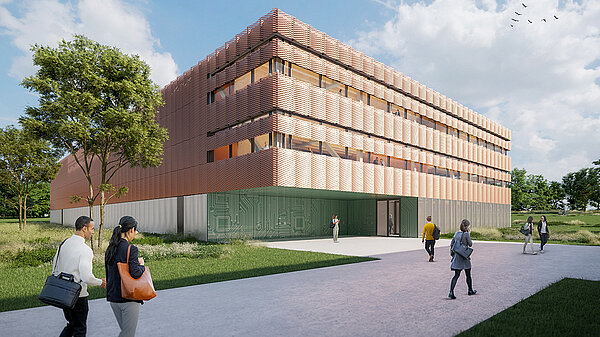
HLRS III will expand on existing HLRS facilities to provide an additional 7,000 m2 of new space. A hybrid construction using reinforced recycled concrete, steel, and wood, HLRS III will contain a state-of-the-art computer room with a redundant power supply, a highly energy-efficient cooling infrastructure, and a building structure capable of supporting the higher weight of future supercomputers.
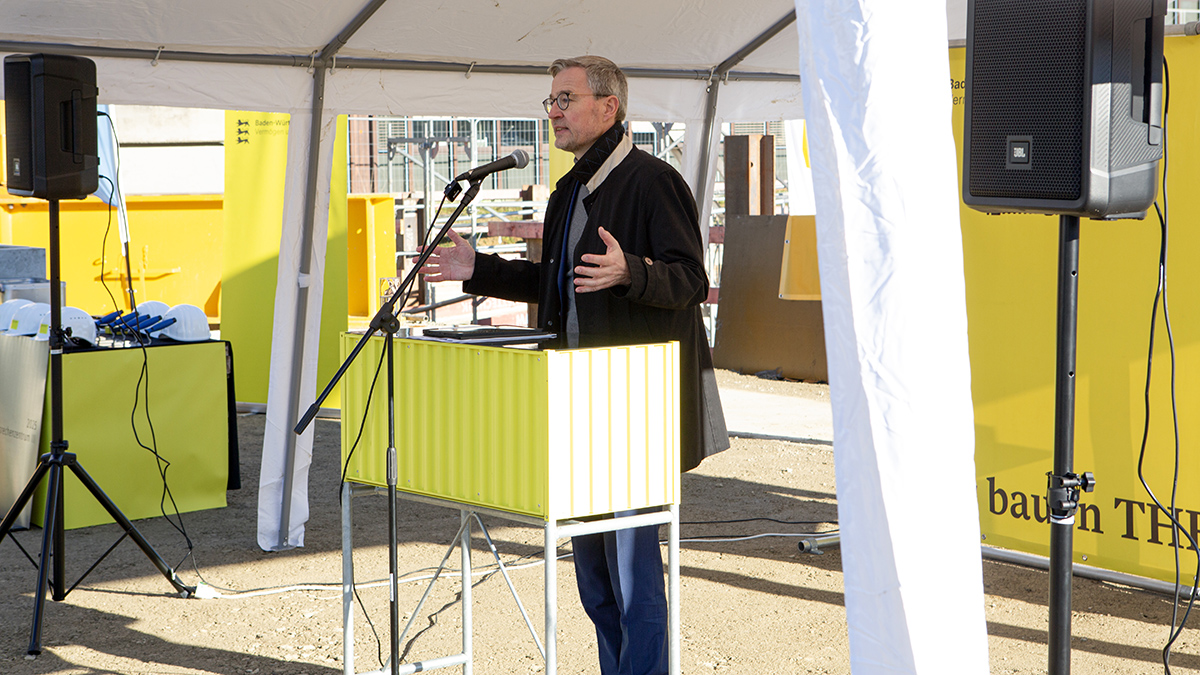
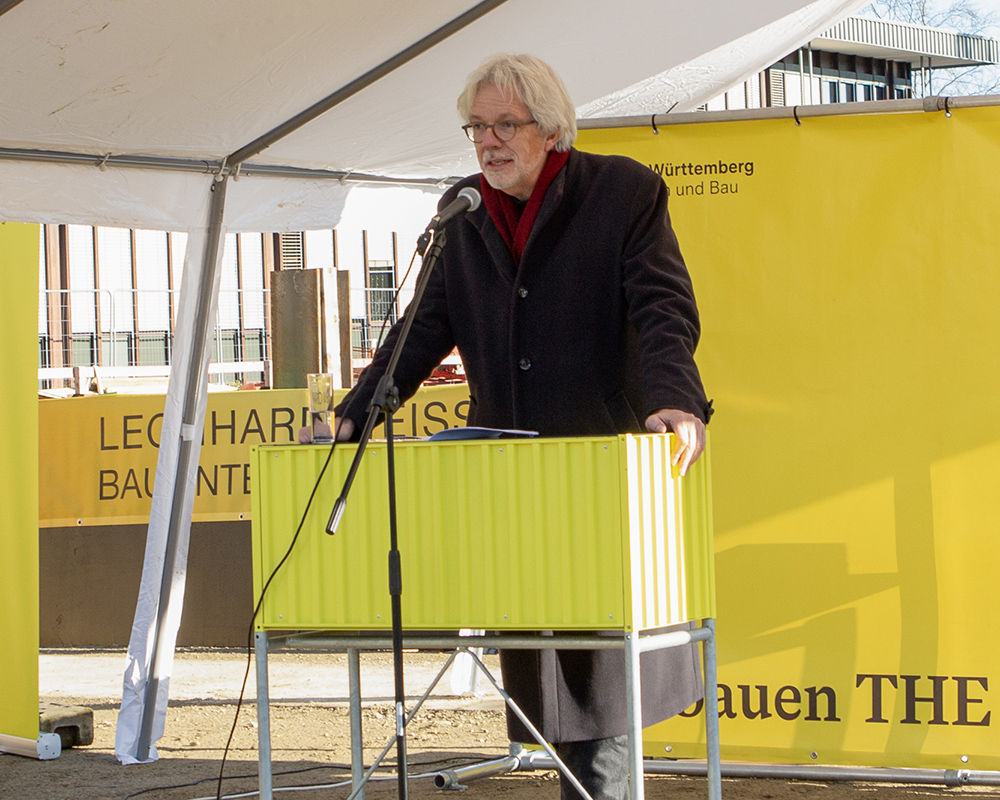
"The construction of HLRS III marks the beginning of a new stage in HLRS's history, and affirms our HPC center's important role in powering research and innovation in Germany and across Europe," said Prof. Dr. Michael Resch, Director of HLRS. "The new building is a critical piece of infrastructure that is necessary for us to be able to provide our scientific and industrial user communities with access to the next level of supercomputing power. At the same time, it will allow us to operate our systems sustainably."
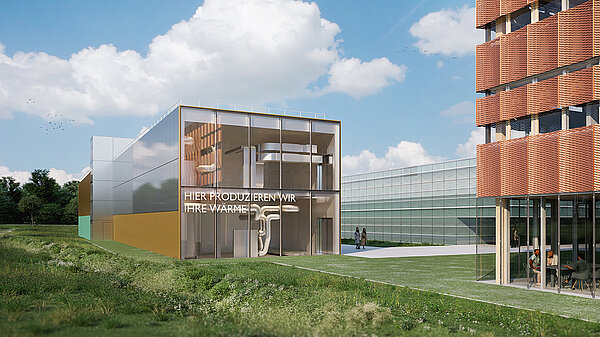
Supporting the increased computational capabilities of Herder and other future HPC systems will require more energy than has been available to HLRS in the past. For this reason, maximizing energy efficiency is an essential element of the HLRS III building concept. All of the electricity consumed by supercomputers is transformed into heat, which must be removed from the machine to prevent it from overheating. To take advantage of this valuable resource, a new waste heat processing facility also being constructed next to HLRS III will capture all waste heat generated by the center's supercomputers and distribute it to the district heating network of the University of Stuttgart's Vaihingen campus. Highly efficient, large-scale industrial heat pumps using a climate-neutral refrigerant will be used for this purpose. This approach will cover up to one-third of the campus's heating needs during winter months and all of its process heat requirements in the summer.
University of Stuttgart Rector Prof. Peter Middendorf highlighted the significance of HLRS III for the entire university community saying, "The visionary new construction of HLRS III is a milestone for the digital future of the University of Stuttgart, and is an excellent example of how we bring cutting-edge technology and sustainability together. The supercomputer Herder will not only make high-performance science possible, but will also actively contribute to the decarbonization of our campus."
When used to its full capacity, it is estimated that the HLRS III waste heat processing facility could reduce CO2 emissions on campus by nearly 50%. Sustainable technologies on the facades and roofs of the two buildings will complement the high-performance computers contained within. The south and east sides of HLRS III will be covered with photovoltaic panels to generate electricity.
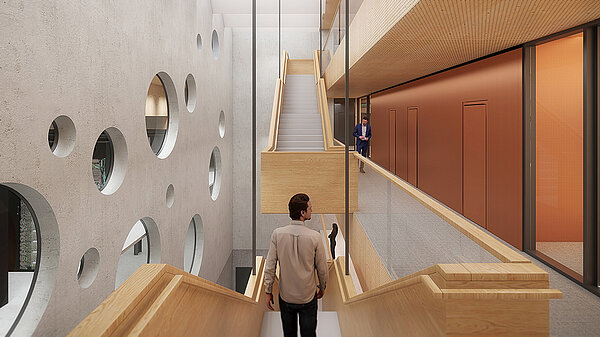
Although HLRS III's computer room will be securely separated from public areas of the building, an area called the "canyon" will offer observation decks overlooking the computer room. Ventilation in the ceiling of the canyon will permit passive cooling of the building during warm summer months.
HLRS III has been identified as a component within the State of Baden-Württemberg's Green IT strategy. HLRS received the German Environmental Management Award 2025 in recognition of the particularly energy-efficient and sustainable operation of its computers. The center also won a Datacenter Strategy Award for "Transformation," highlighting the sustainable measures being implemented in HLRS III.
The total cost of constructing HLRS III, including the waste heat processing center and underground piping needed to deliver heat to the campus district heating network, is €178.6 million. Funding of €138.5 million has been provided by the State of Baden-Württemberg, with the balance of €40.1 million coming from the German Federal Ministry for Research, Technology, and Space.
HLRS III was designed by the architecture firm Benthem Crouwel International in Diemen, Netherlands, with building planning being coordinated by Birk Heilmeyer und Frenzel Architekten from Stuttgart. The University Construction Office of Stuttgart and Hohenheim is responsible for the project and the building's future maintenance.
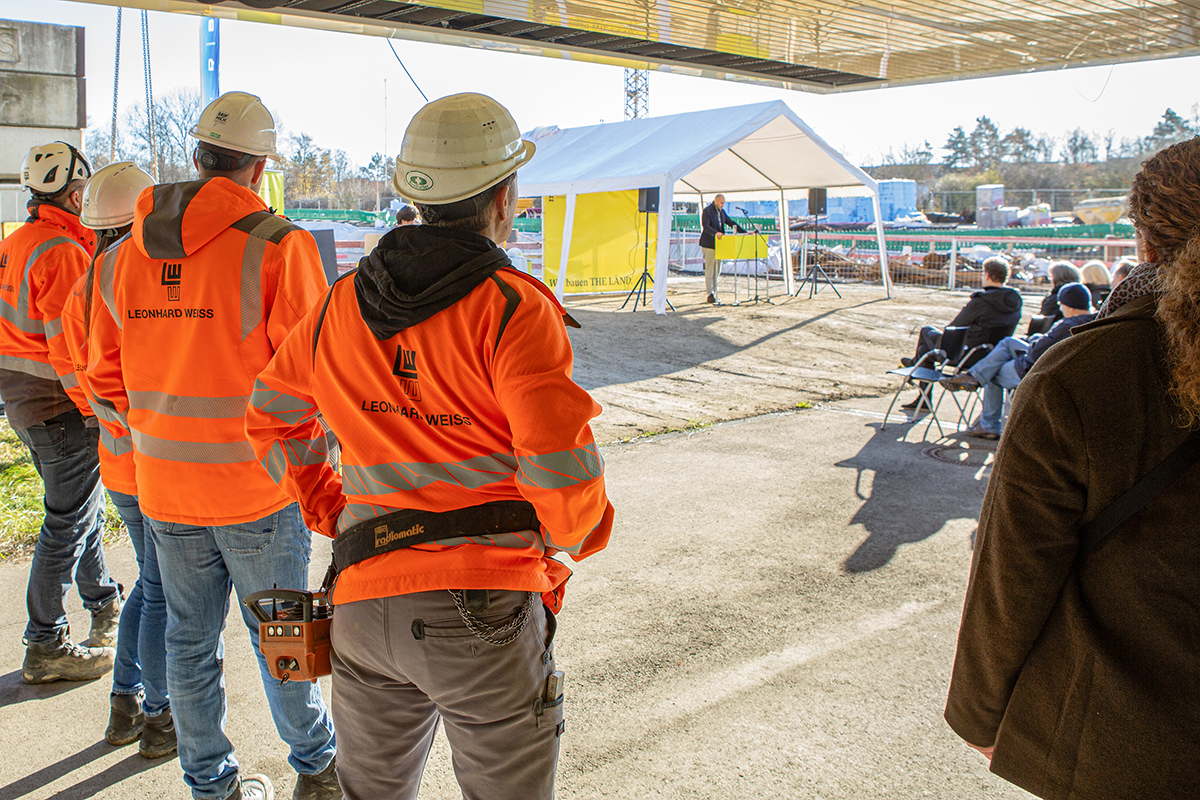
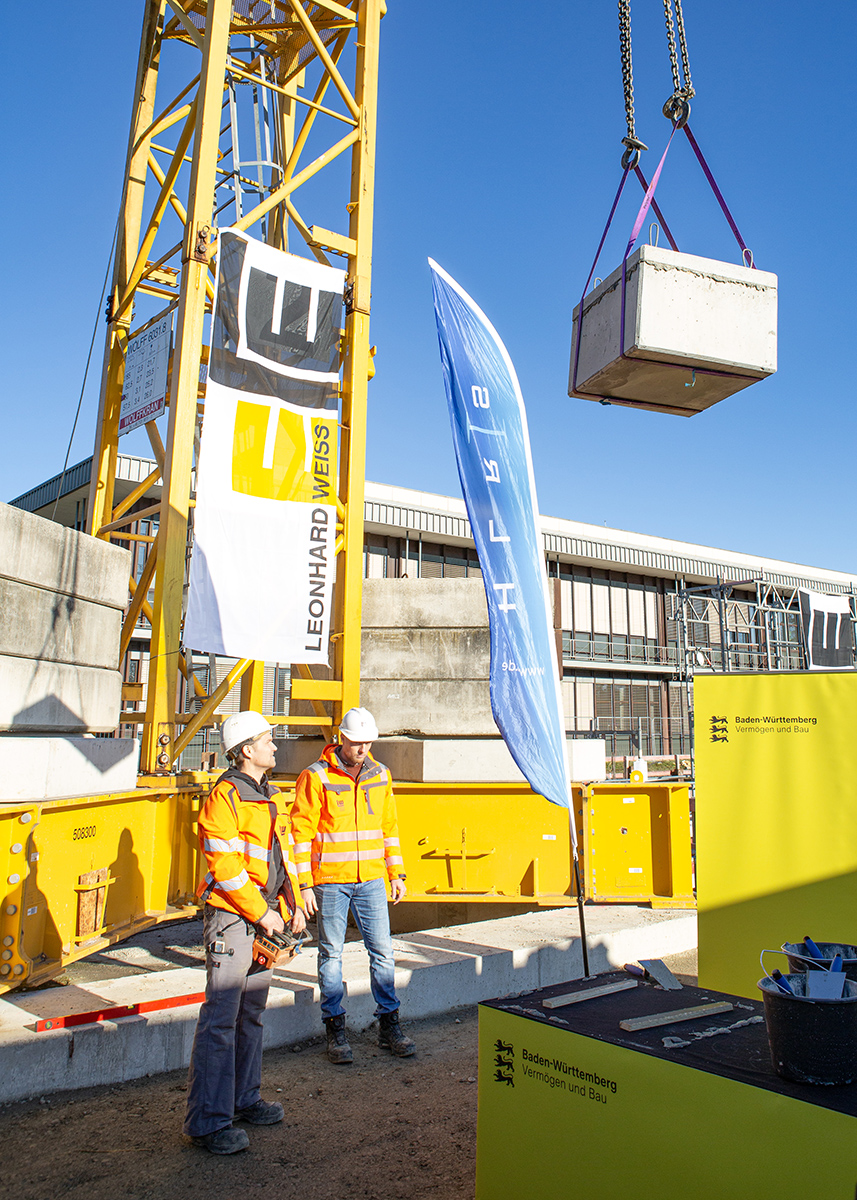
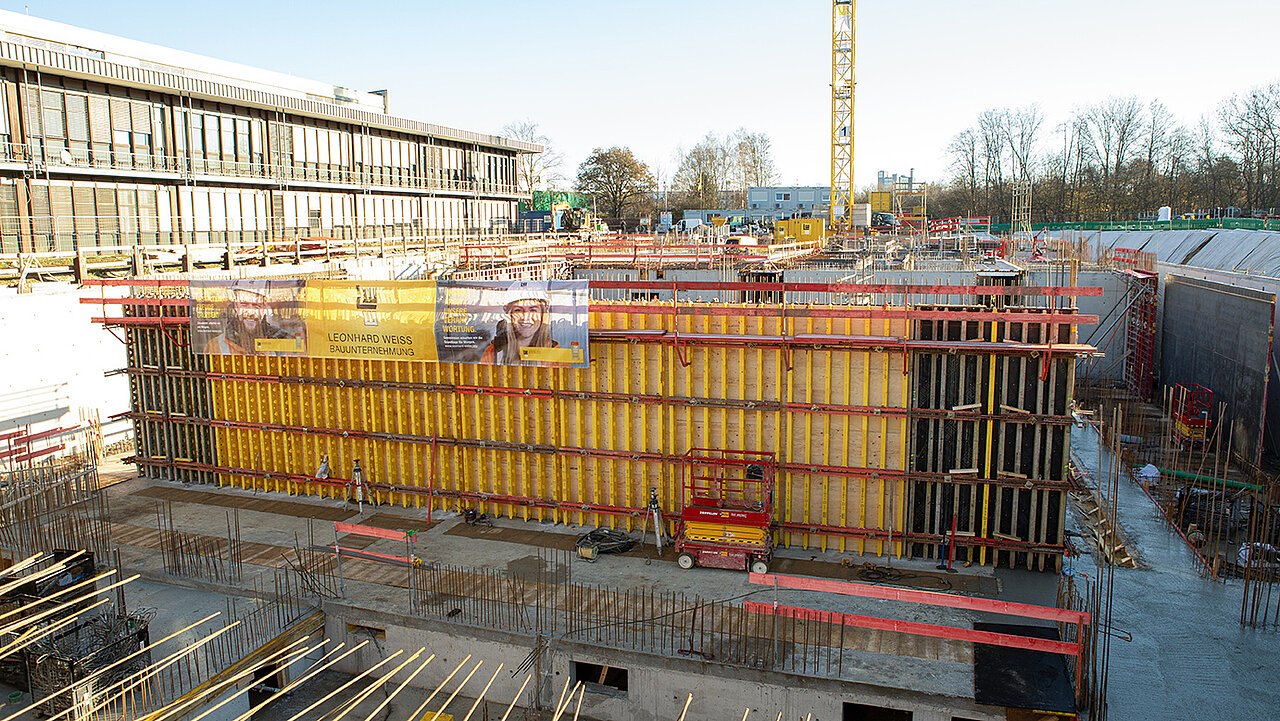
Construction of HLRS III began in March 2025. The building's foundation and parts of its basement are already in place.
The computing infrastructure contained in HLRS III will support advanced computational research for scientists at the University of Stuttgart, in Germany, and across Europe. This includes research in numerous fields, including transportation, climate, health, energy, physics, chemistry, and other disciplines focused on solving global challenges.
HLRS also has a long history of offering the private sector access to high-performance computing capabilities. The systems housed in HLRS III will continue to support large companies, SMEs, and startups in using supercomputing to accelerate research and technology development, and will provide powerful platforms for seizing new opportunities using artificial intelligence and deep learning.
— Christopher Williams


A member of the Gauss Centre for Supercomputing, HLRS is one of three German national centers for high-performance computing.
