High-Performance Computing Center Stuttgart


HLRS Celebrates Its 30th Anniversary

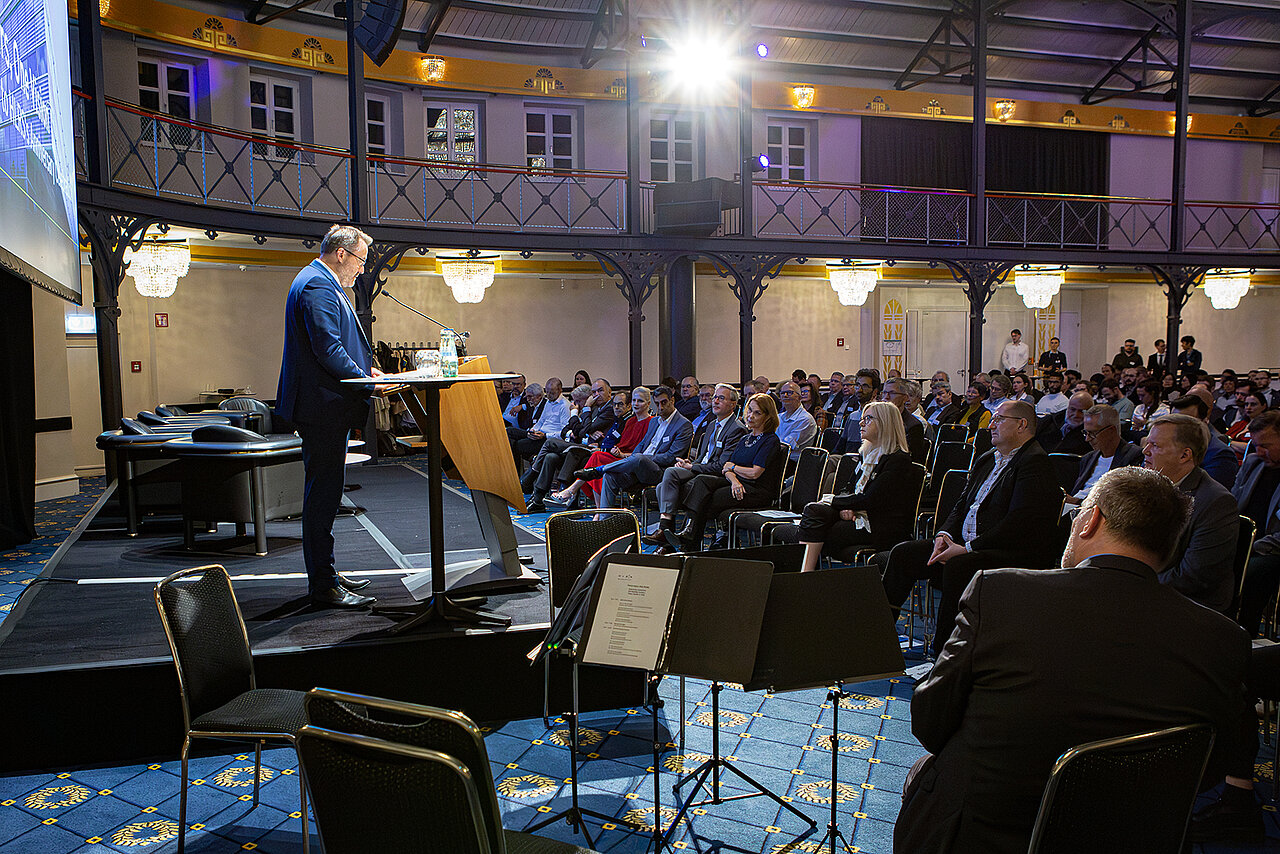
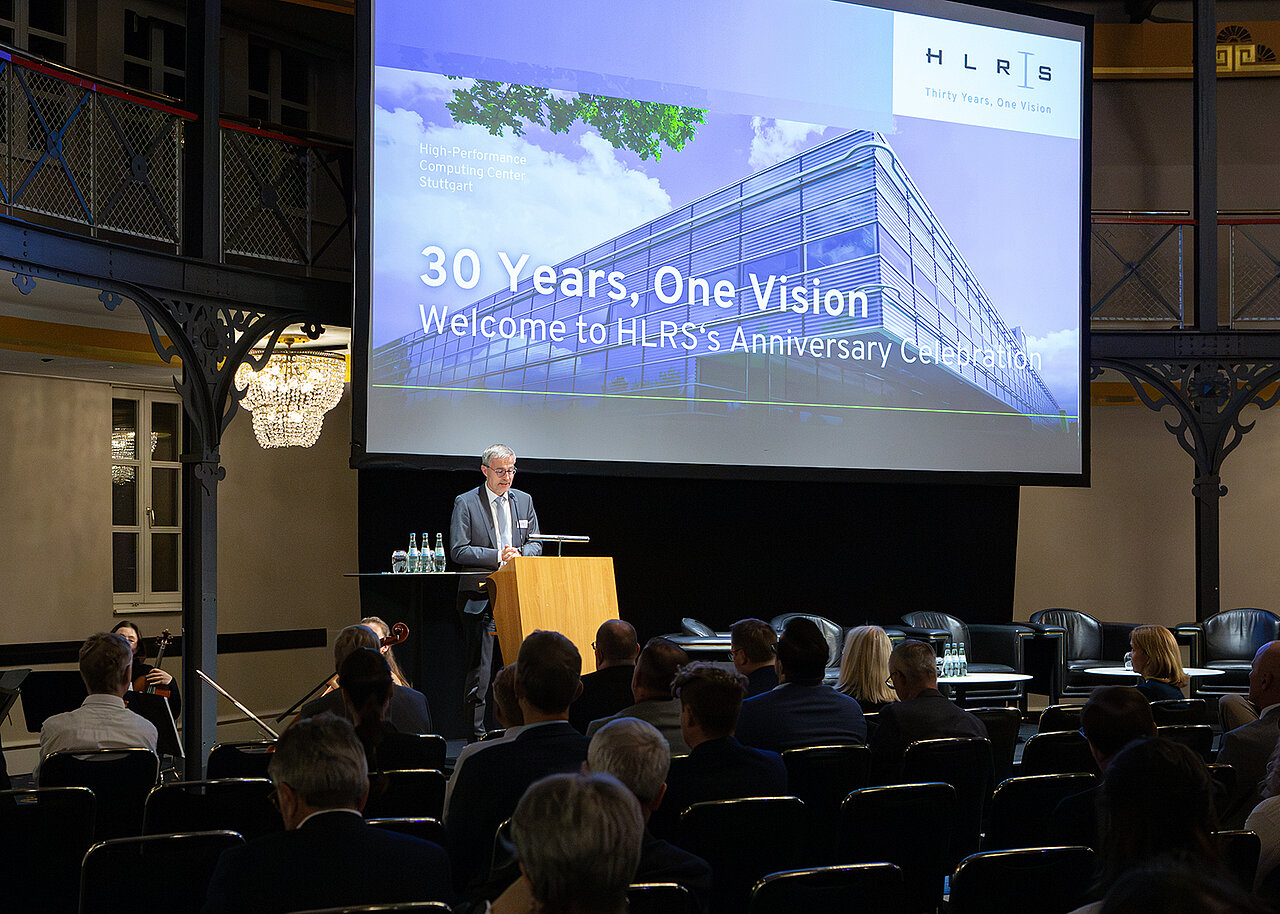
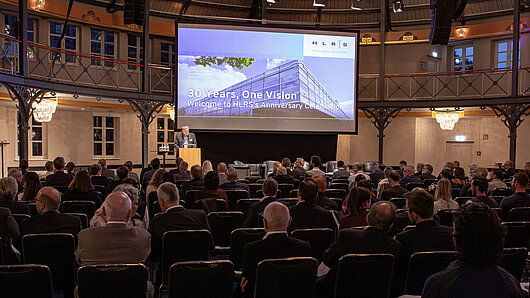
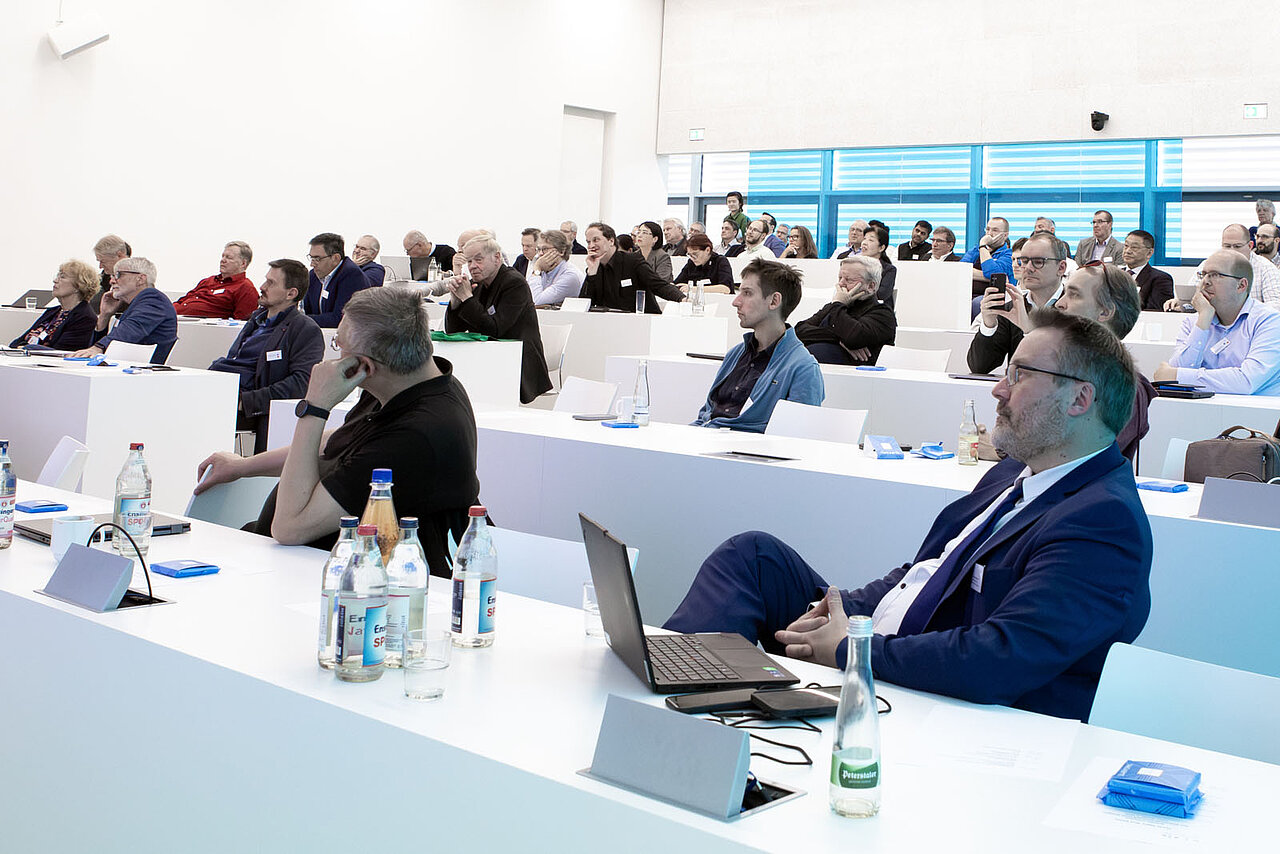
Photo of audience, with podium and large screen from the back of the room.
HLRS marked three decades as a German national high-performance computing center with a reception at the Alte Reithalle in Stuttgart.

Under the motto "Thirty Years, One Vision," the High-Performance Computing Center Stuttgart invited its system users, supporters, and partners to reflect on the center's accomplishments — and on what the future could hold.
The year 1996 marked an important milestone in the history of high-performance computing (HPC) in Germany, when Baden-Württemberg Prime Minister Erwin Teufel announced the founding of the country's first national supercomputing center, the High-Performance Computing Center Stuttgart (HLRS). Since then, HLRS has grown into a prominent location in the international HPC landscape, providing computing resources and expertise for science, industry, and public agencies in Germany, Europe, and across the global HPC community.

On October 9, 2026, colleagues and friends from HLRS's extensive network gathered to celebrate the 30th anniversary of HLRS's founding under the motto "Thirty Years, One Vision." The gathering offered an opportunity to reflect on HLRS's history, its contributions to the European and international HPC communities, and — with the rise of new computing technologies like artificial intelligence and quantum computing — what the future could hold.

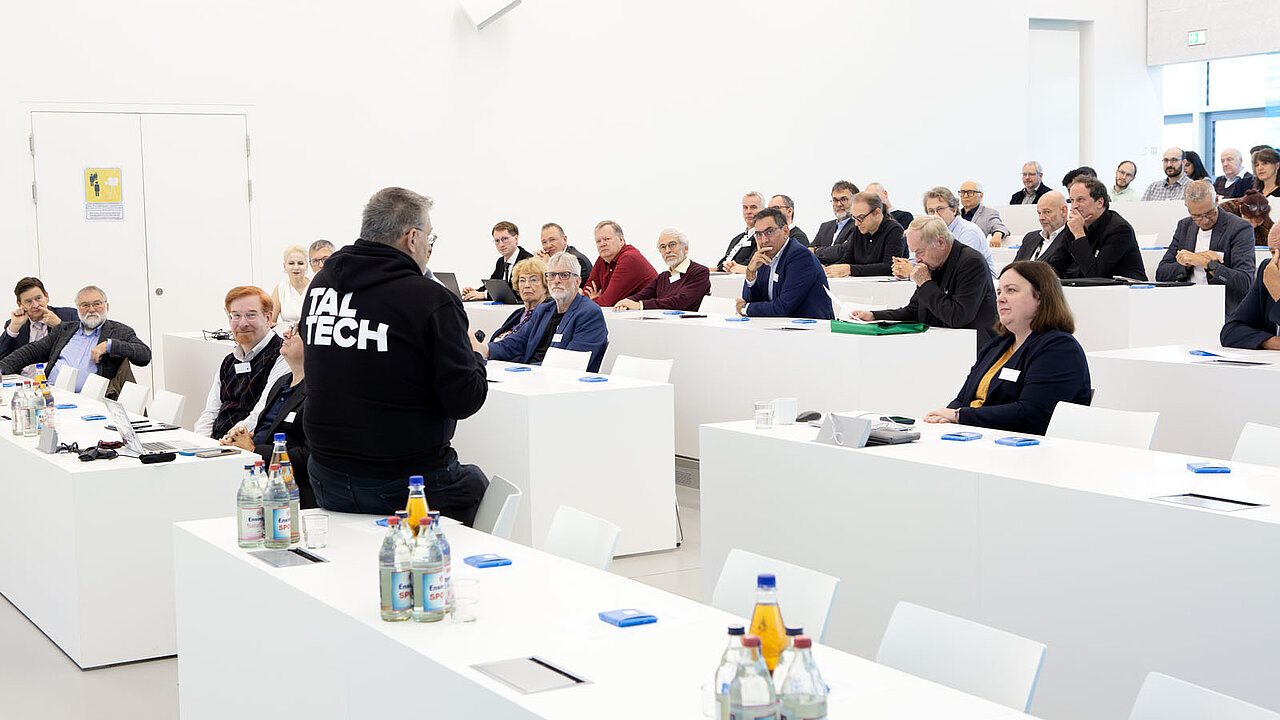
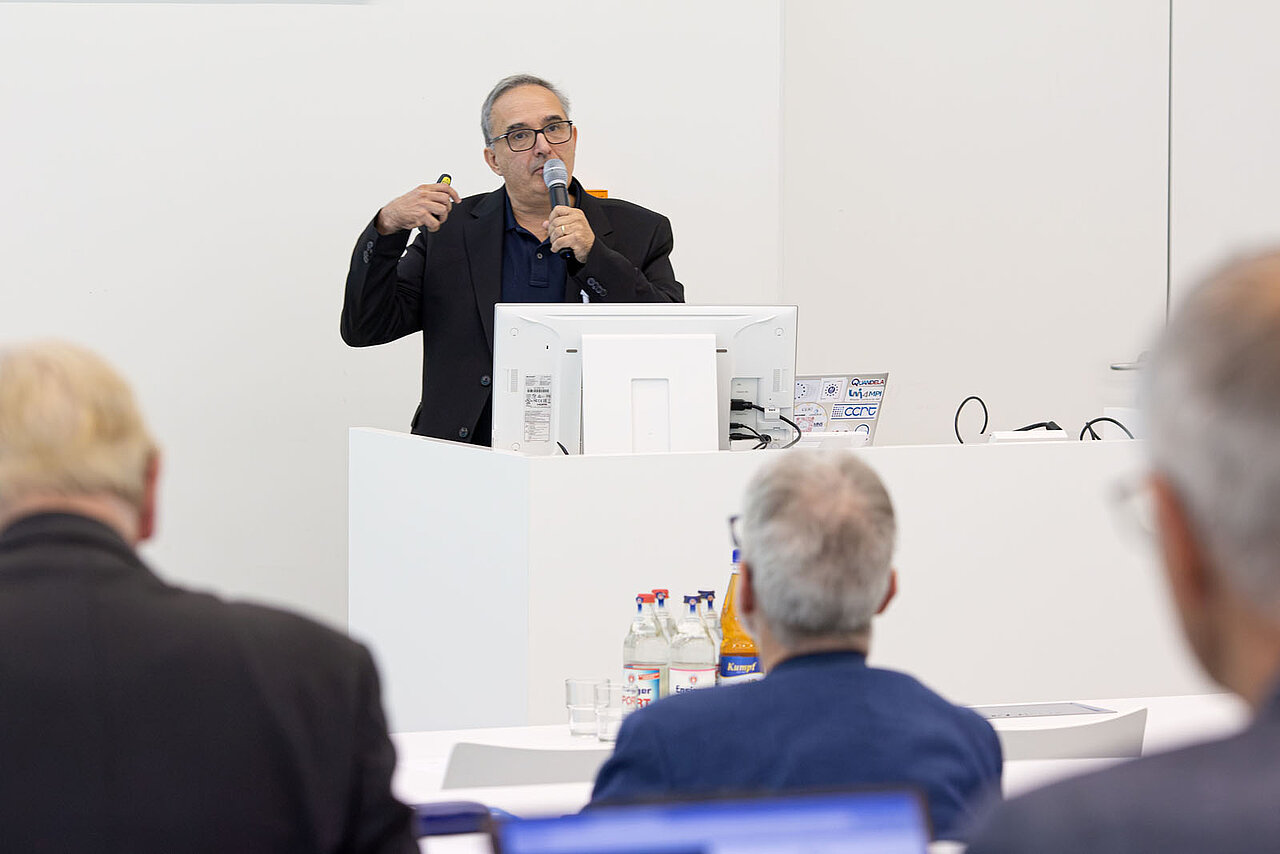
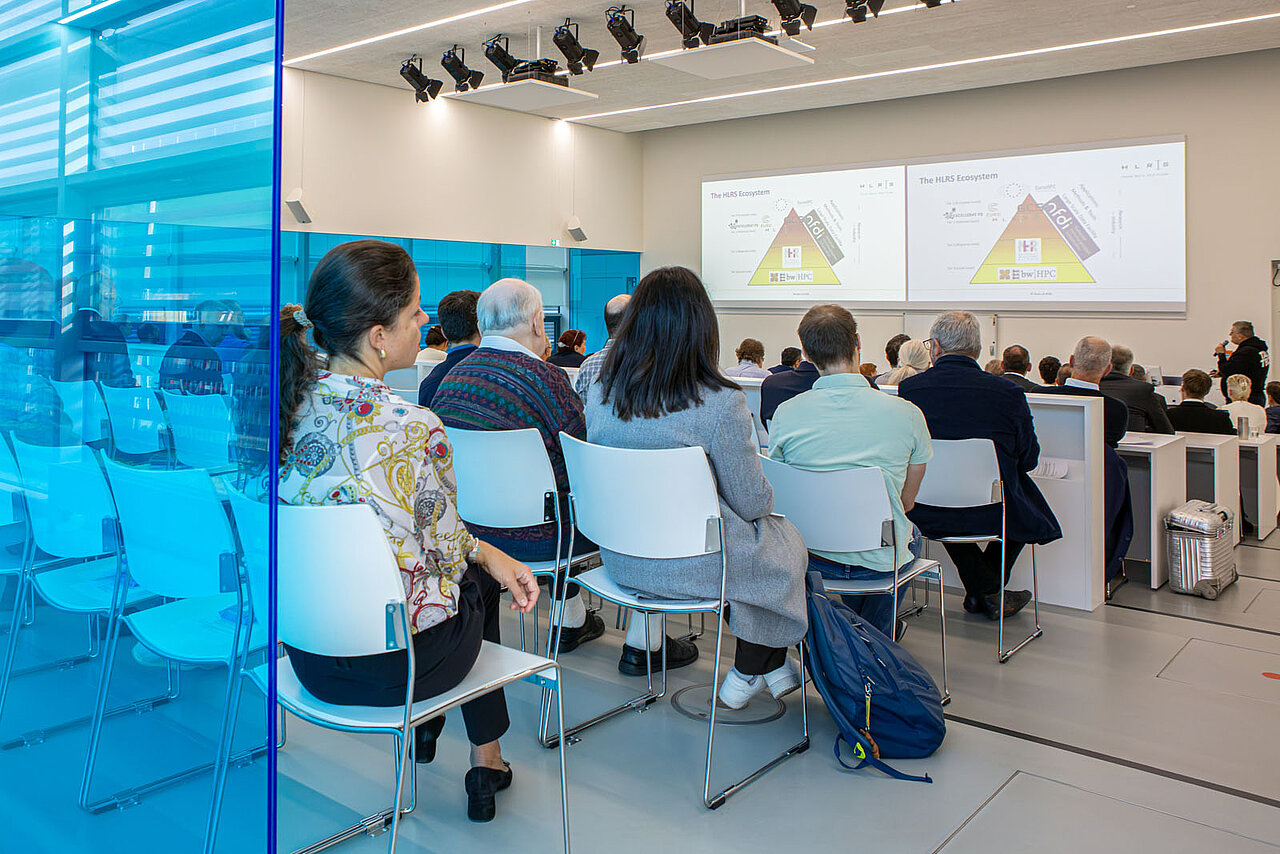
The event began fittingly in HLRS's auditorium — the Rühle Saal, named in honor of Prof. Roland Rühle, the center's founder and first director. In a scientific symposium, members of HLRS's research community exchanged historical perspectives on how high-performance computing has evolved over the last 30 years, and on how increasingly powerful computing technologies have led to new kinds of discoveries for applied science and engineering. The talks also reflected on the current transformation underway in HPC as it integrates artificial intellgence and emerging technologies like quantum computing. 
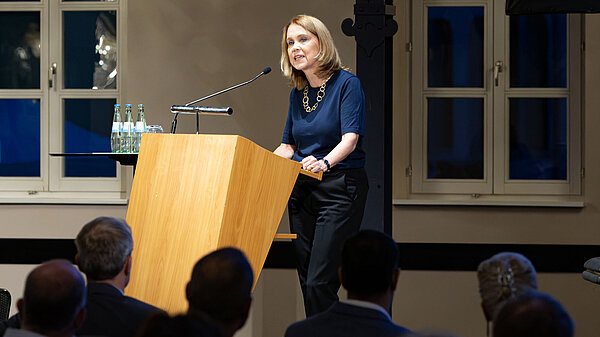
Petra Olschowski, Baden-Württemberg Minister for Science, Research and Arts: "HLRS is not an isolated center of cutting-edge research, but a hub for cooperation and knowledge transfer."

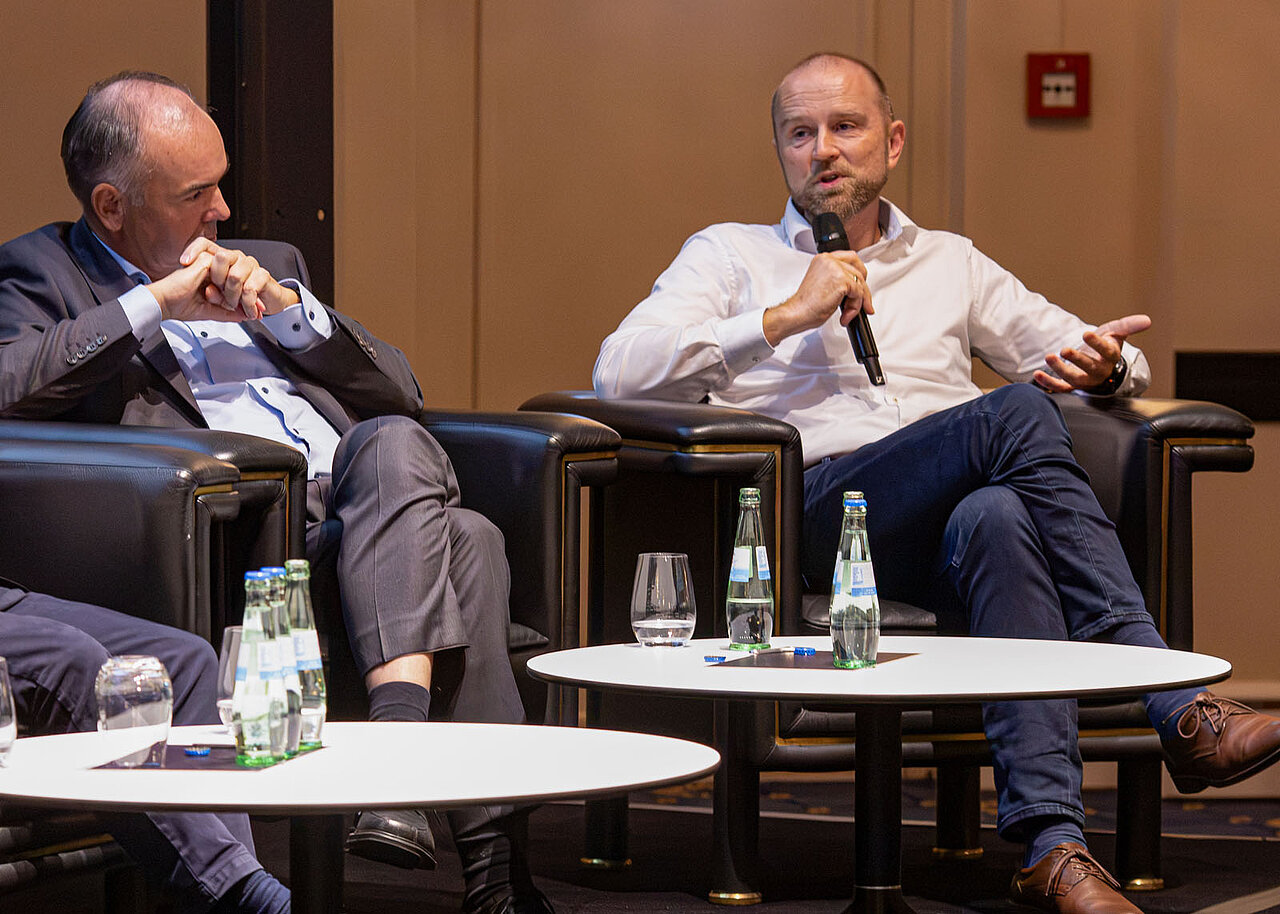
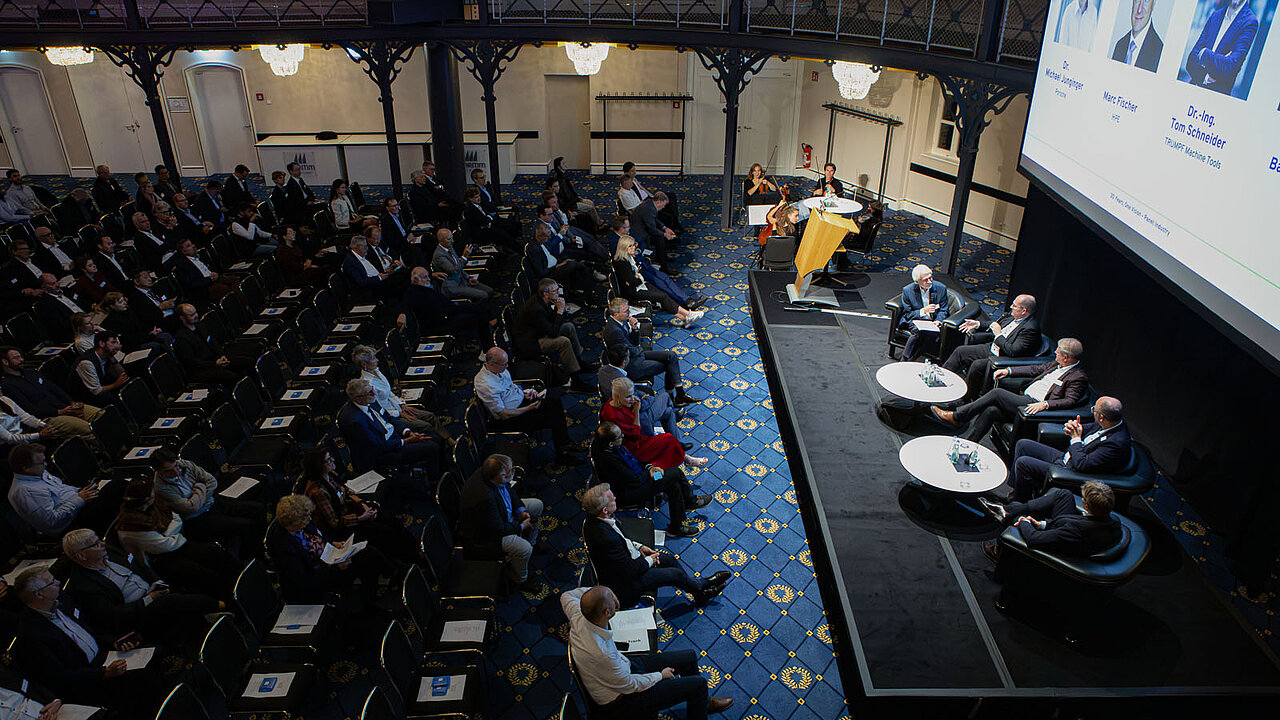
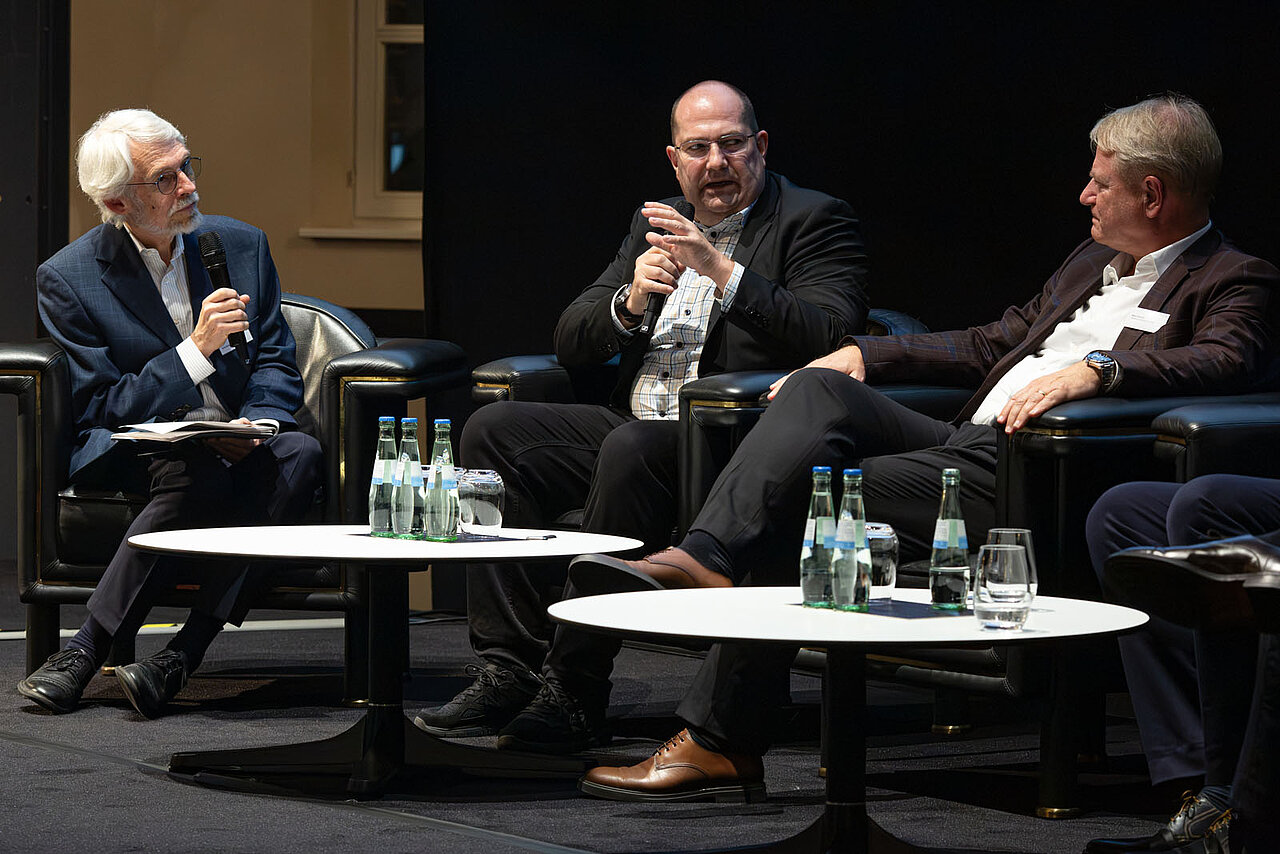
The anniversary celebration continued in the evening with a reception and dinner at the Stuttgarter Reithalle, an historic building in the city center. Honored guests congratulated HLRS on its achievements, and three panel discussions highlighted the center's contributions to science, industrial innovation, and the increase of expertise across the national and international HPC communities.

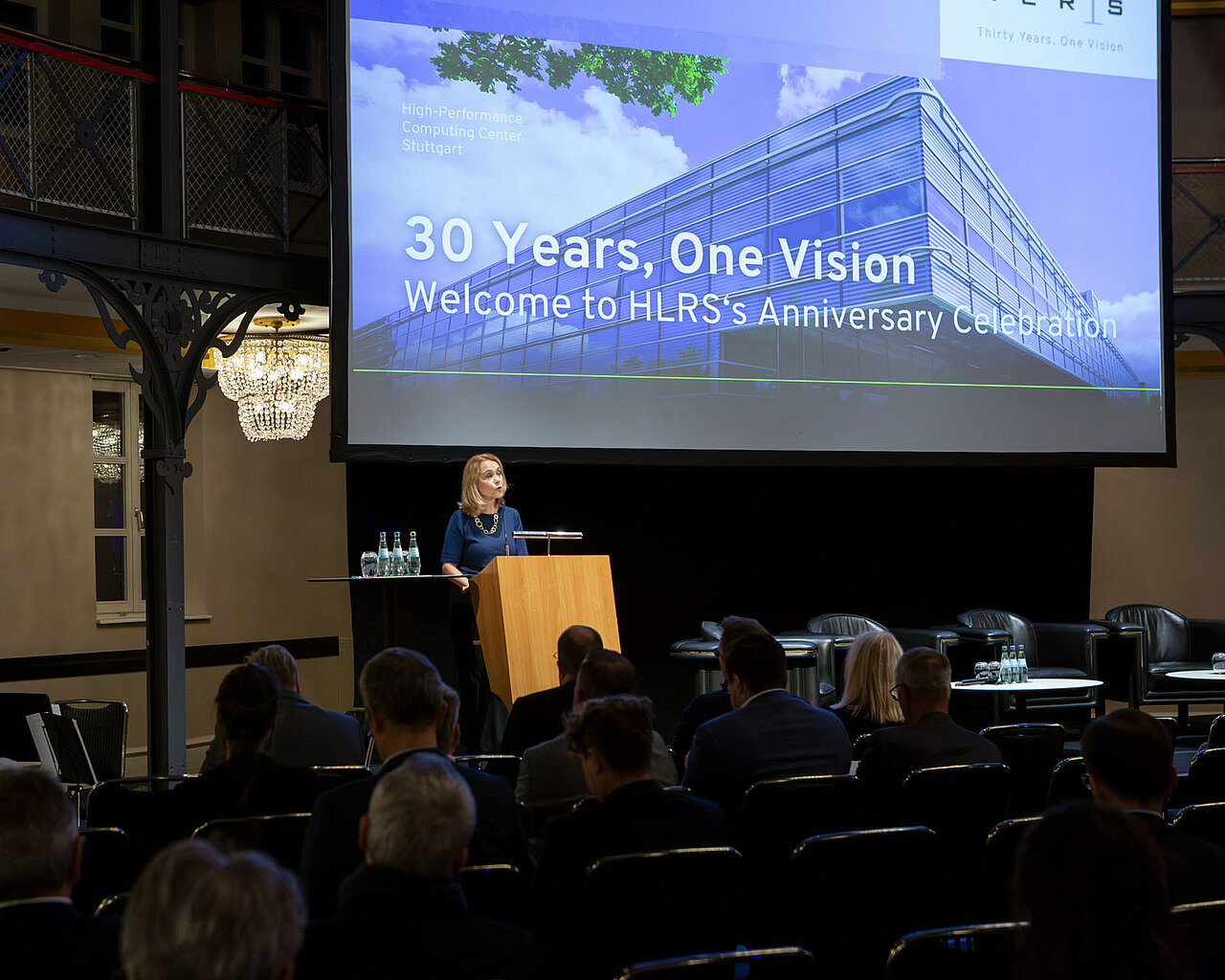
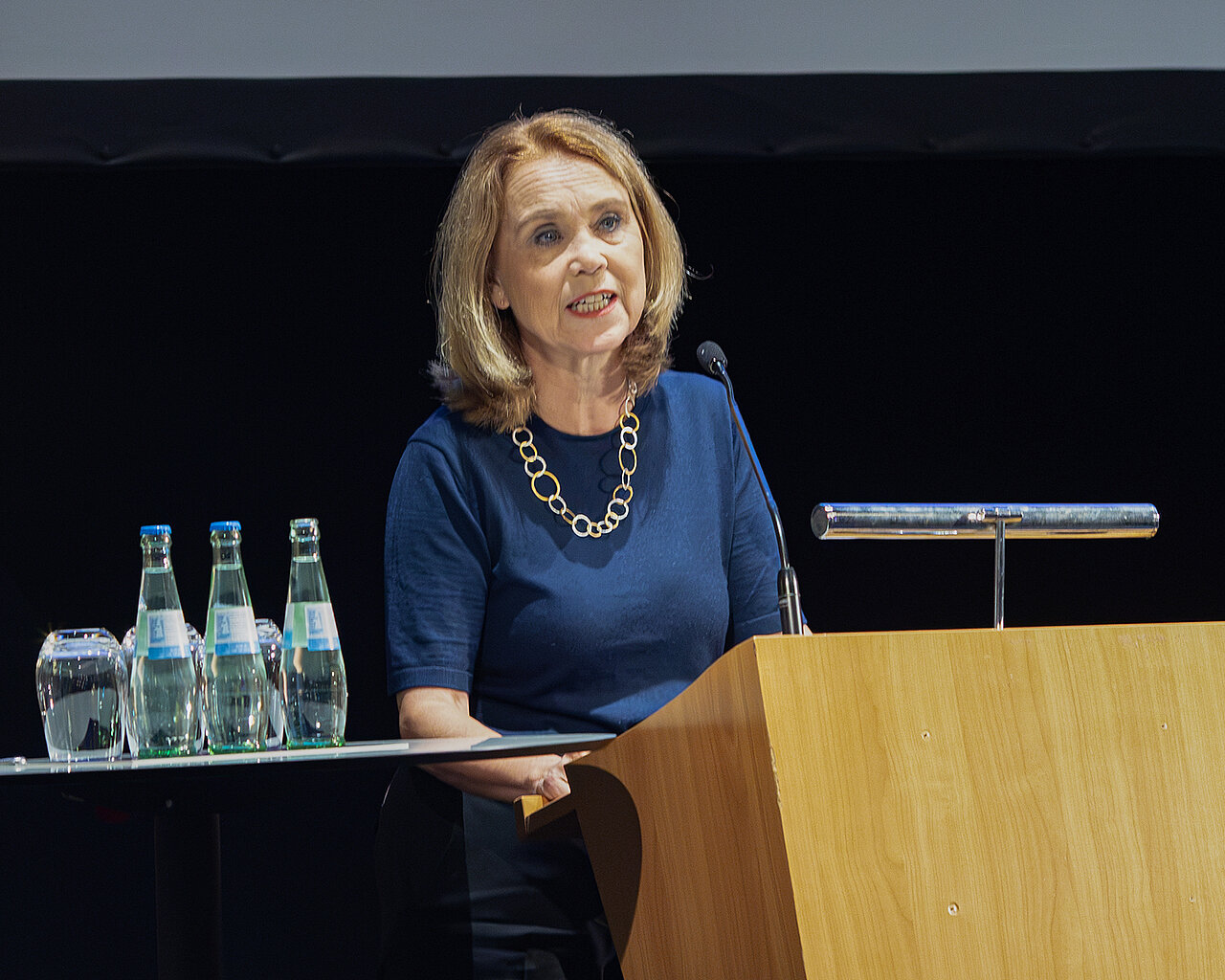
In welcoming remarks, Petra Olschowski, Minister of Science, Research and Arts (MWK) of the State of Baden-Württemberg, praised HLRS's accomplishments and emphasized that steadfast support for high-performance computing over decades has prepared Stuttgart to continue shaping the future. 

"The fields of application for high-performance computers have expanded," Miniser Olschowski said. “What remains unchanged is our commitment to combining scientific excellence with tangible benefits for research, for businesses, and for society as a whole. This is precisely where one of the HLRS's particular strengths lies. It is not an isolated center of cutting-edge research, but a hub for cooperation and knowledge transfer.”
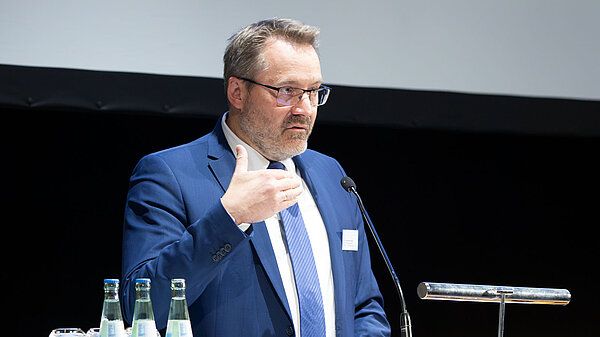
Fabian Kohler, Division Director at BMFTR: "Das HLRS has impressively demonstrated that high-performance computing is far more than just the provision of the increasingly powerful computers, but it's the key technology for innovation, competitiveness, and addressing societal changes."

Dr.-Ing. Fabian Kohler, Division Director for Microelectronics, Supercomputing and Robotics at the Geman Federal Ministry for Research, Technology and Space (BMFTR) noted HLRS's role at the national level as a member of the Gauss Centre for Supercomputing (GCS). 

"HLRS has impressively demonstrated that high-performance computing is far more than just the provision of the increasingly powerful computers, but it's the key technology for innovation, competitiveness, and addressing societal changes," Kohler stated. "Reliable, available high-performance computing infrastructure is a fundamental prerequisite for scientific discovery, technological innovation, and the competitiveness of our whole economy. This is why HLRS, together with its partners in GCS, make a significant contribution to the technological sovereignty of Germany and Europe."

The MWK and BMFTR have been reliable supporters throughout HLRS's history, providing necessary funding and support to pursue its mission. As the parent organization of HLRS, the University of Stuttgart has also played an important role in its history. Rector Peter Middendorf praised HLRS as an integral part of the university ecosystem and sees it as being well positioned for the future. 
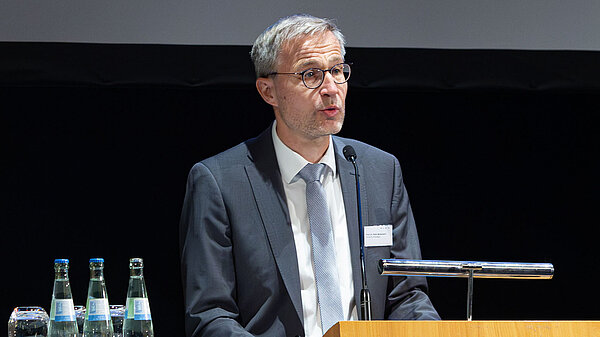
Prof. Peter Middendorf, Rector of the University of Stuttgart: "The real strength of HLRS has never been the machines alone. It has been the people, the partnerships, and the willingness to think beyond what is possible today."

"I see that the next generation of HLRS is not simply about computing more. It is probably about computing differently, more intelligently, more collaboratively, and more sustainably," Prof. Middendorf said in his remarks at the anniversary celebration. "Thirty years ago, Stuttgart invested in an idea whose full potential was not yet visible. Today we can see where this idea has taken us. And I believe that the next 30 years will be just as exciting, because the real strength of HLRS has never been the machines alone. It has been the people, the partnerships, and the willingness to think beyond what is possible today."

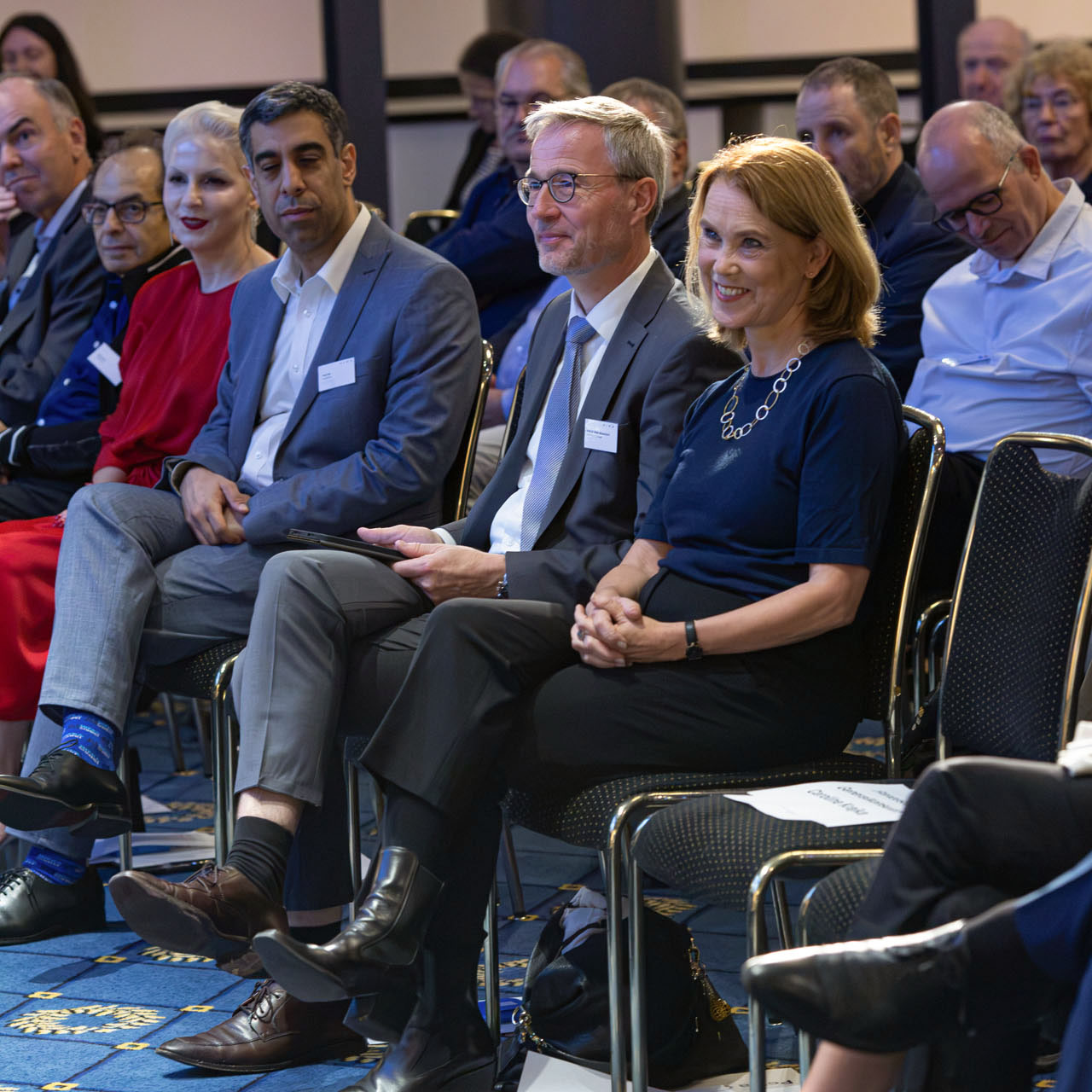
Guests at HLRS's anniversary celebrations came from across the world, spanning the worlds of academia, industry, and public service. In this way, the event demonstrated the strength of the center's network, confirmed its continuing importance within Germany's high-tech infrastructure, and showed why it continues to be a valuable resource for research and innovation — in Germany, in Europe, and across the world.

— Christopher Williams

Learn more

Program: Scientific Colloquium
Program: Anniversary Celebration
Timeline: History of HLRS
Video: Voices from the HLRS Community
Book: Simulation for All — The Politics of Supercomputing in Stuttgart
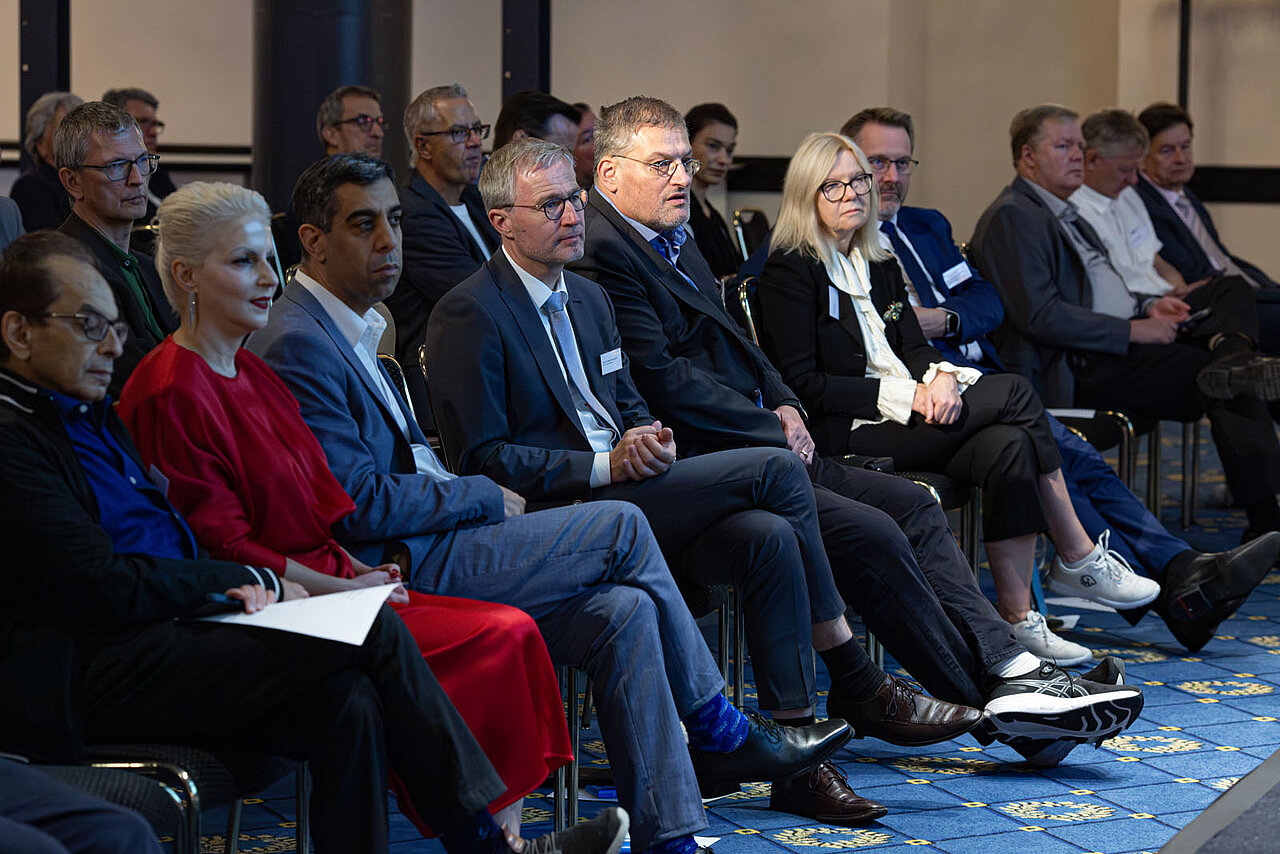
Photos from HLRS's anniversary celebration

  • Audience at the HLRS scientific colloquium.
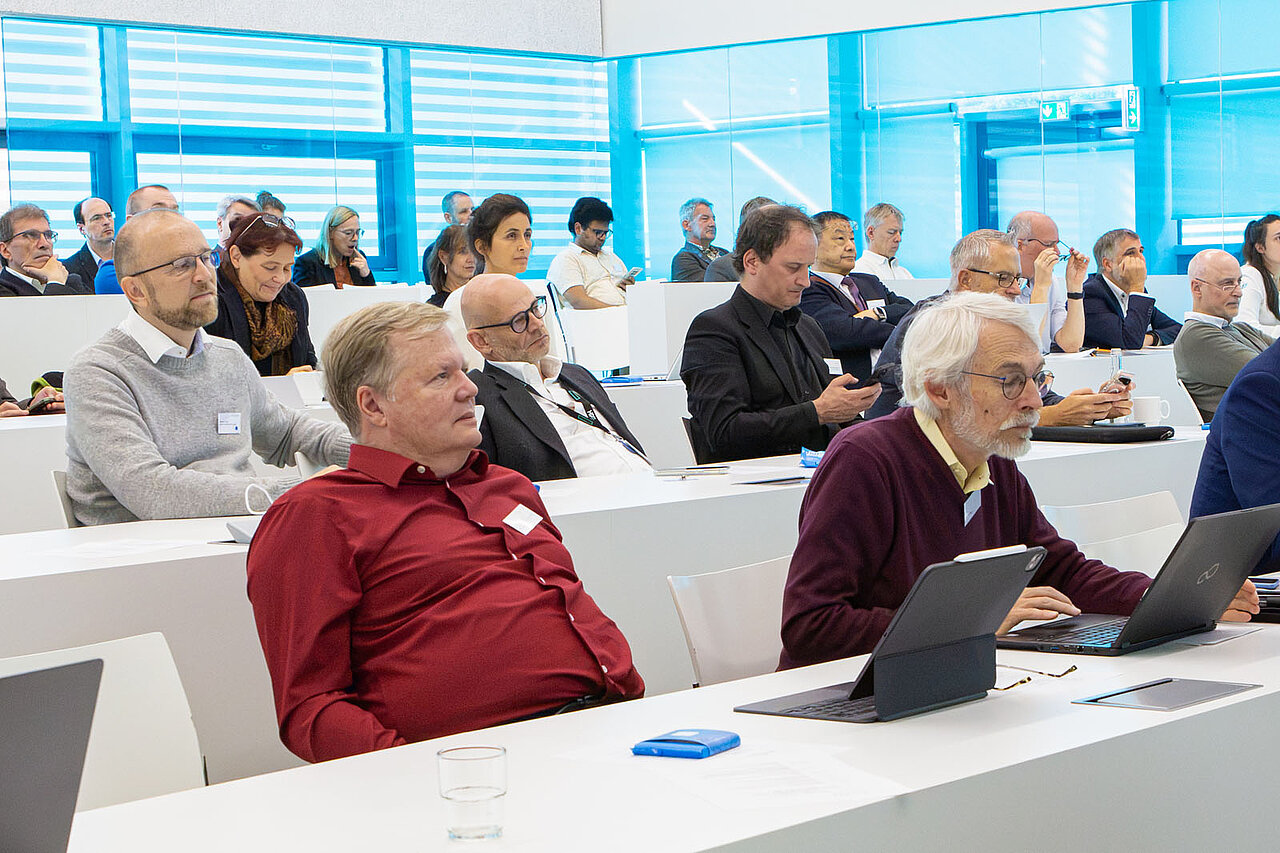
    Scientific colloquium in the HLRS Rühle Saal.
  • Photo of audience
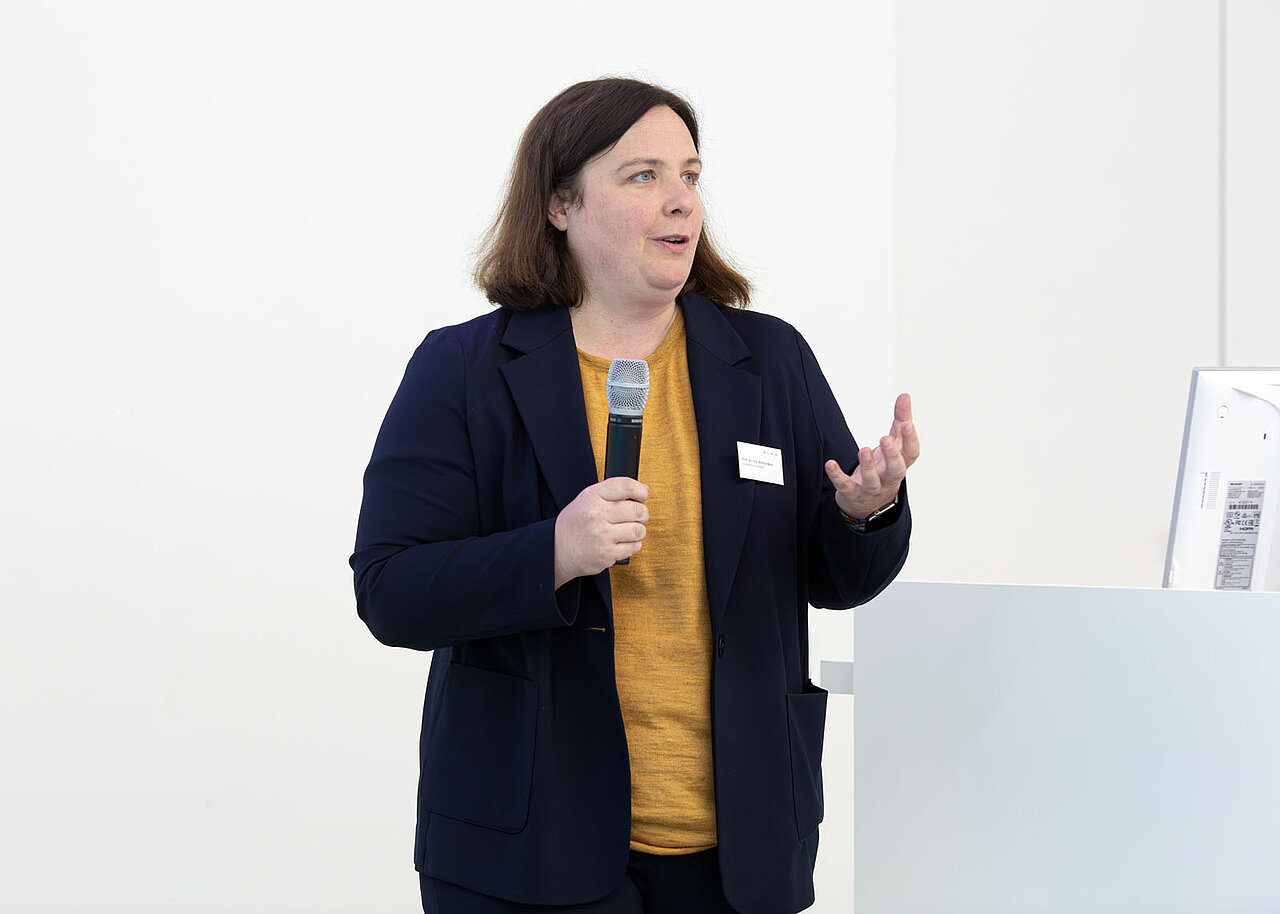
  • A woman holds a microphone while giving a lecture.
    Andrea Beck (University of Stuttgart)
  • A woman speaks at a podium in front of an audience with a large screen in the background.
    Petra Olschowski, Baden-Württemberg Minister of Science, Research and Arts highlighted the role of HLRS within the state's IT strategy.
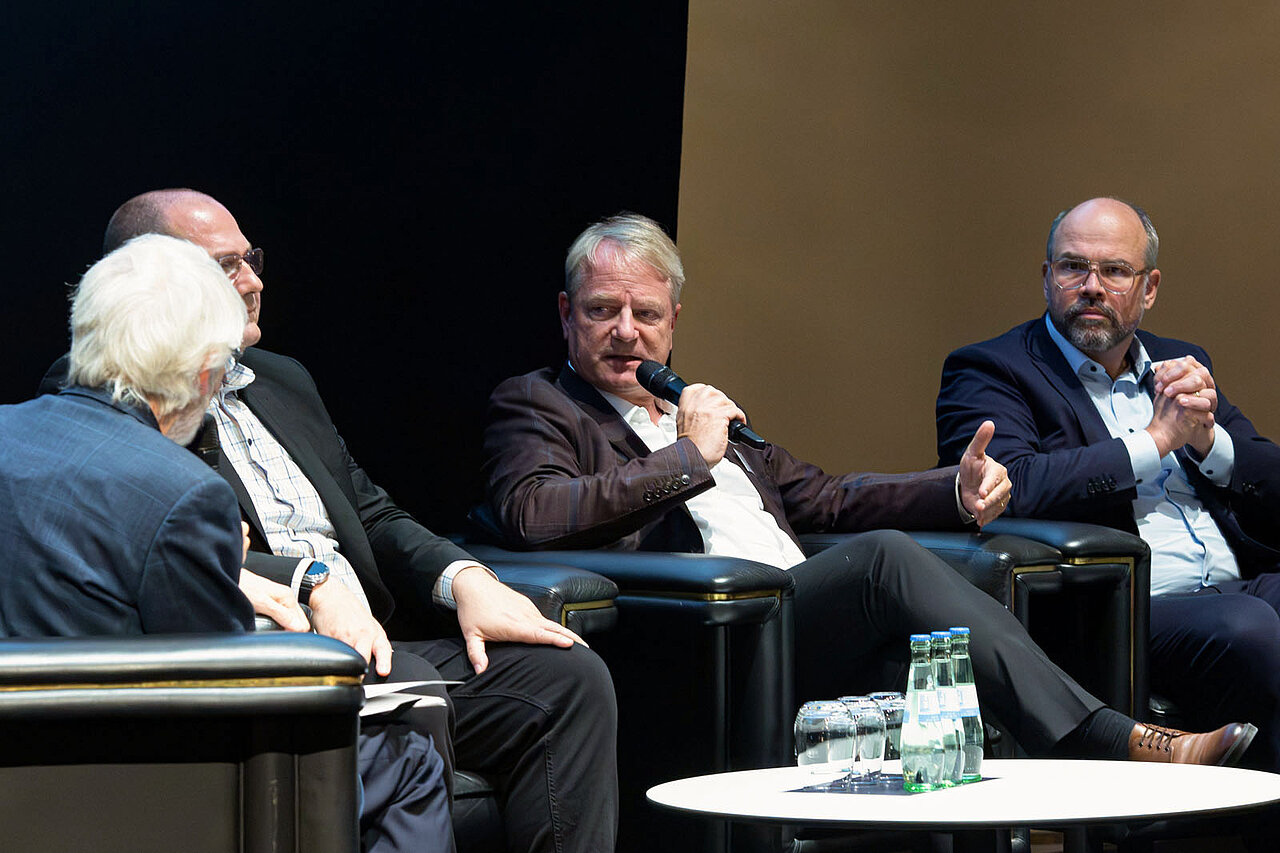
  • Panel discussion
    l-r: Eric Schnepf, Bastian Koller (HLRS), Marc Fischer (HPE), Tom Schneider (TRUMPF)
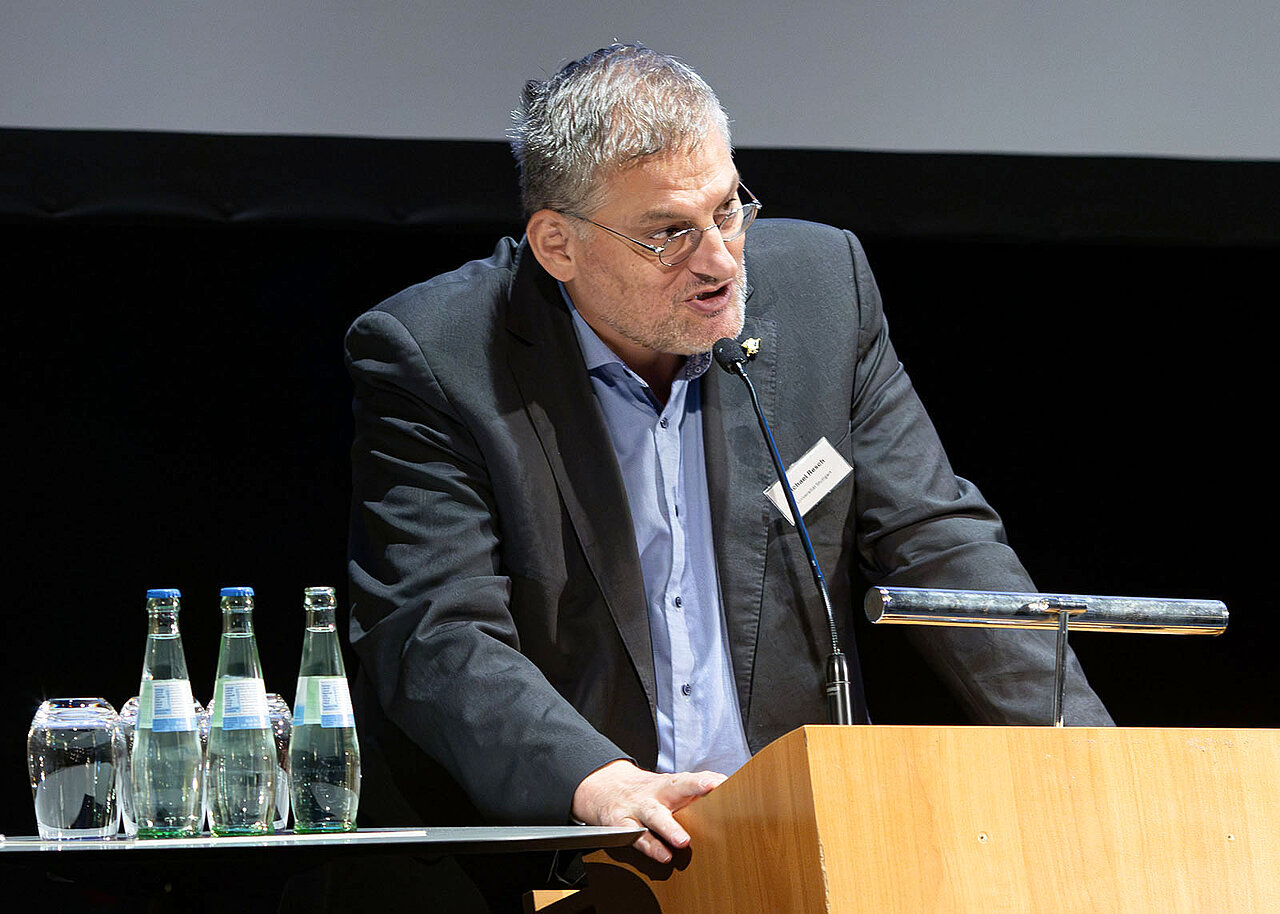
  • A man speaks at a podium
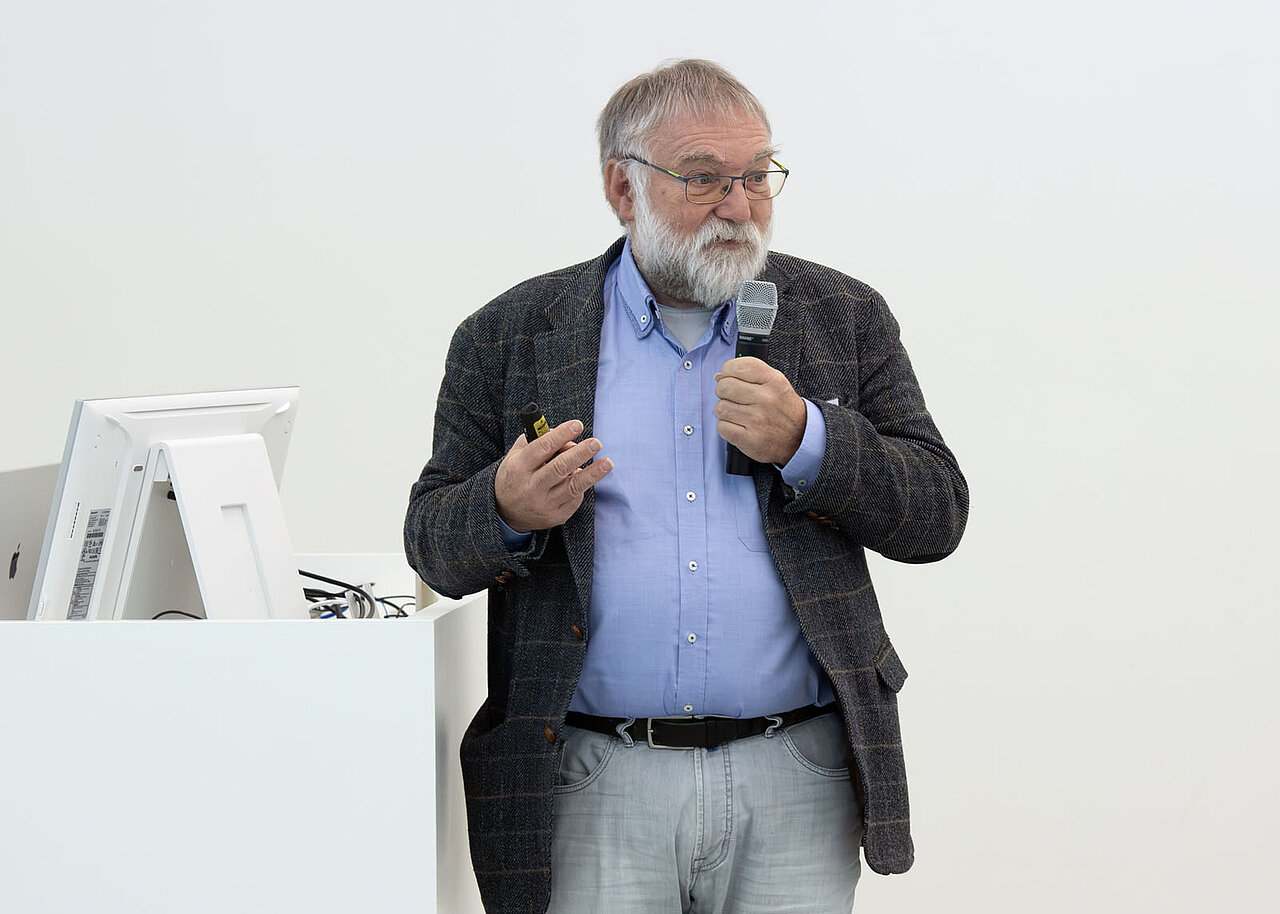
    Michael Resch (HLRS)
  • Panel discussion
    l-r: Dieter Kranzlmüller (LRZ), Martin Frank (KIT)
  • Photo of auditorium with audience. A speaker sits on a table at front of room.
    The scientific symposium took place in HLRS's Rühle Saal.
  • Photo of stage and audience from above
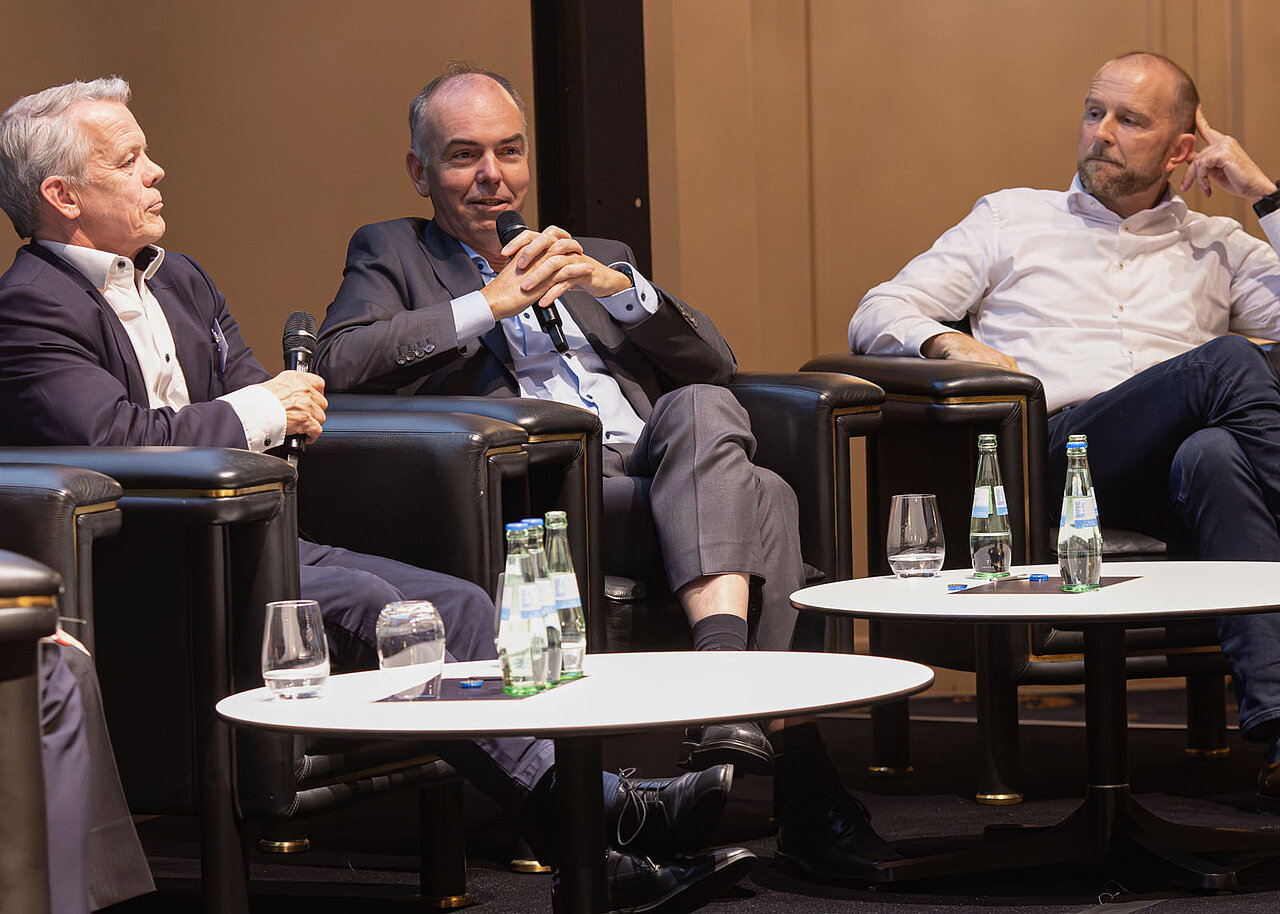
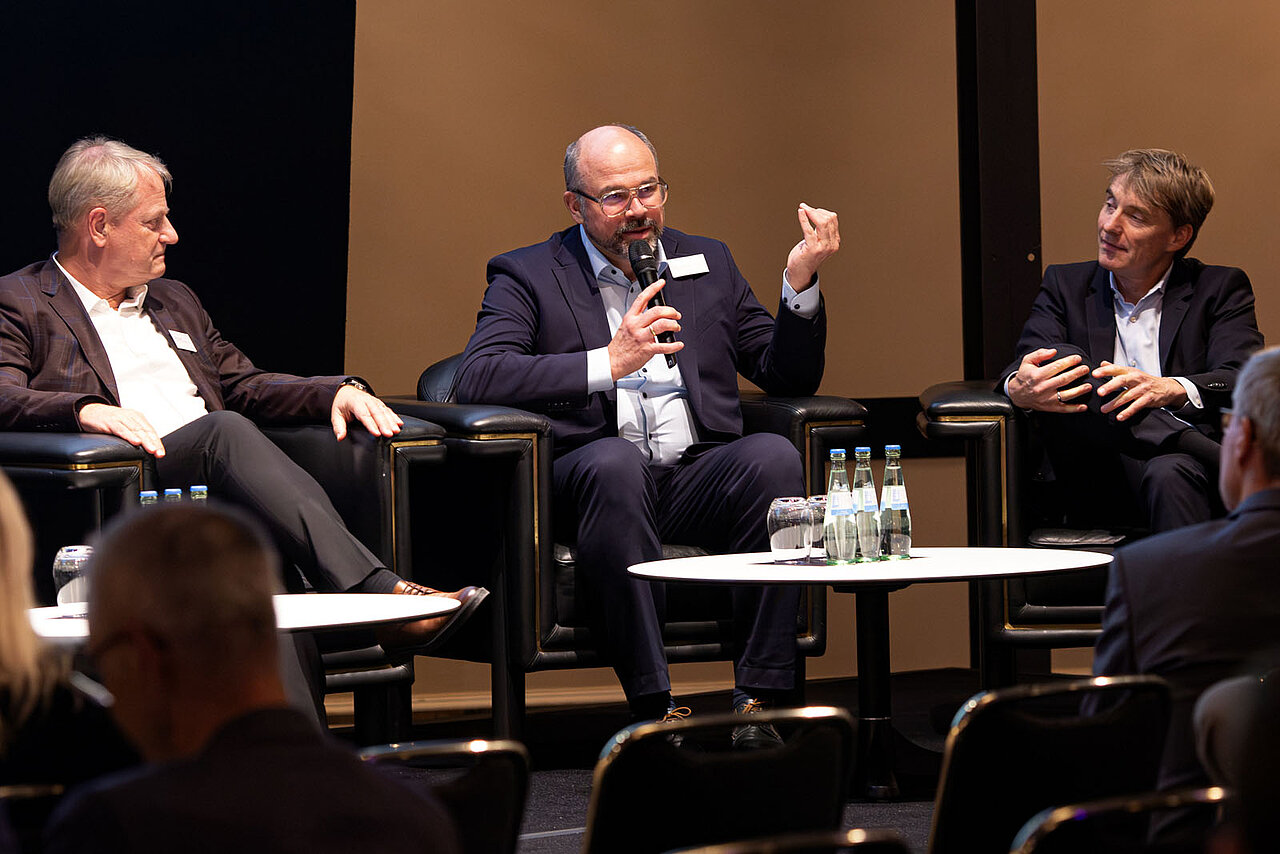
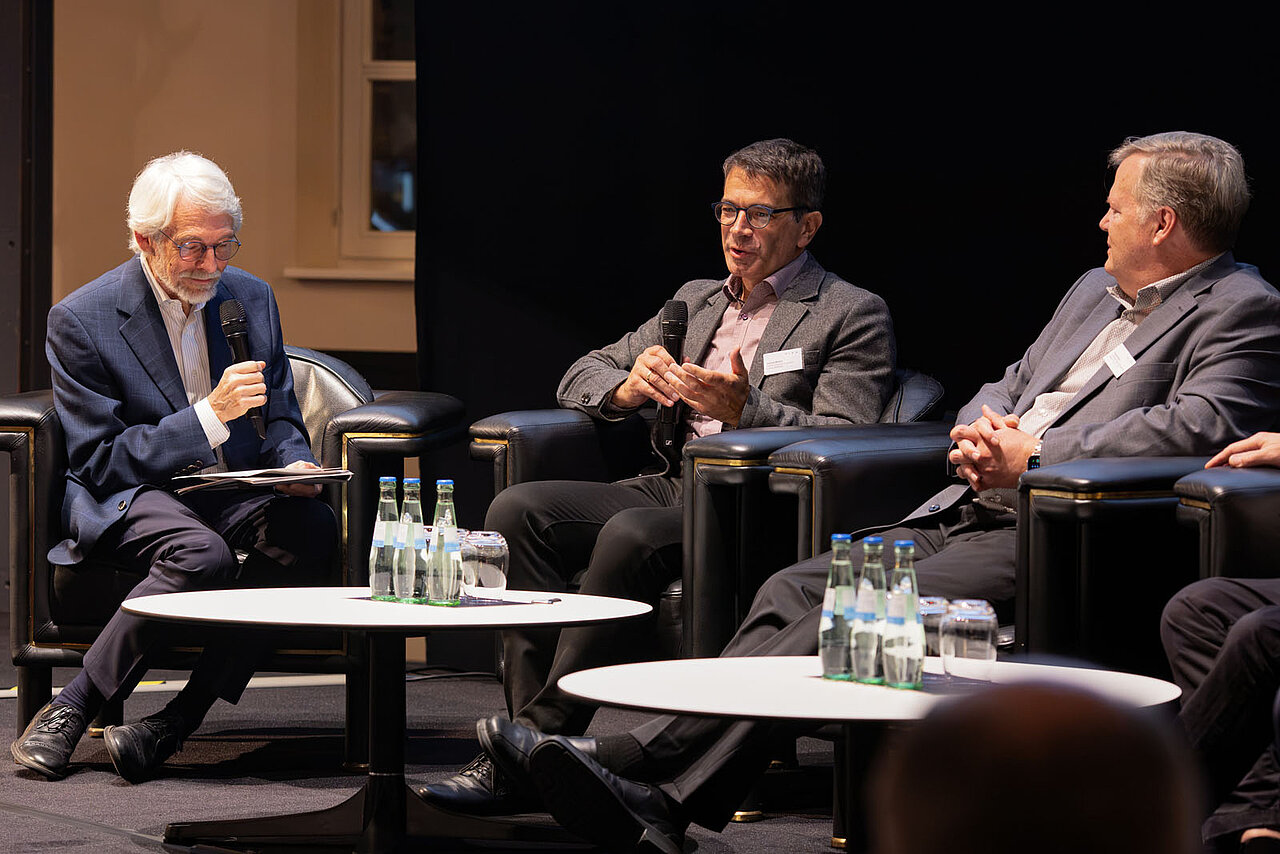
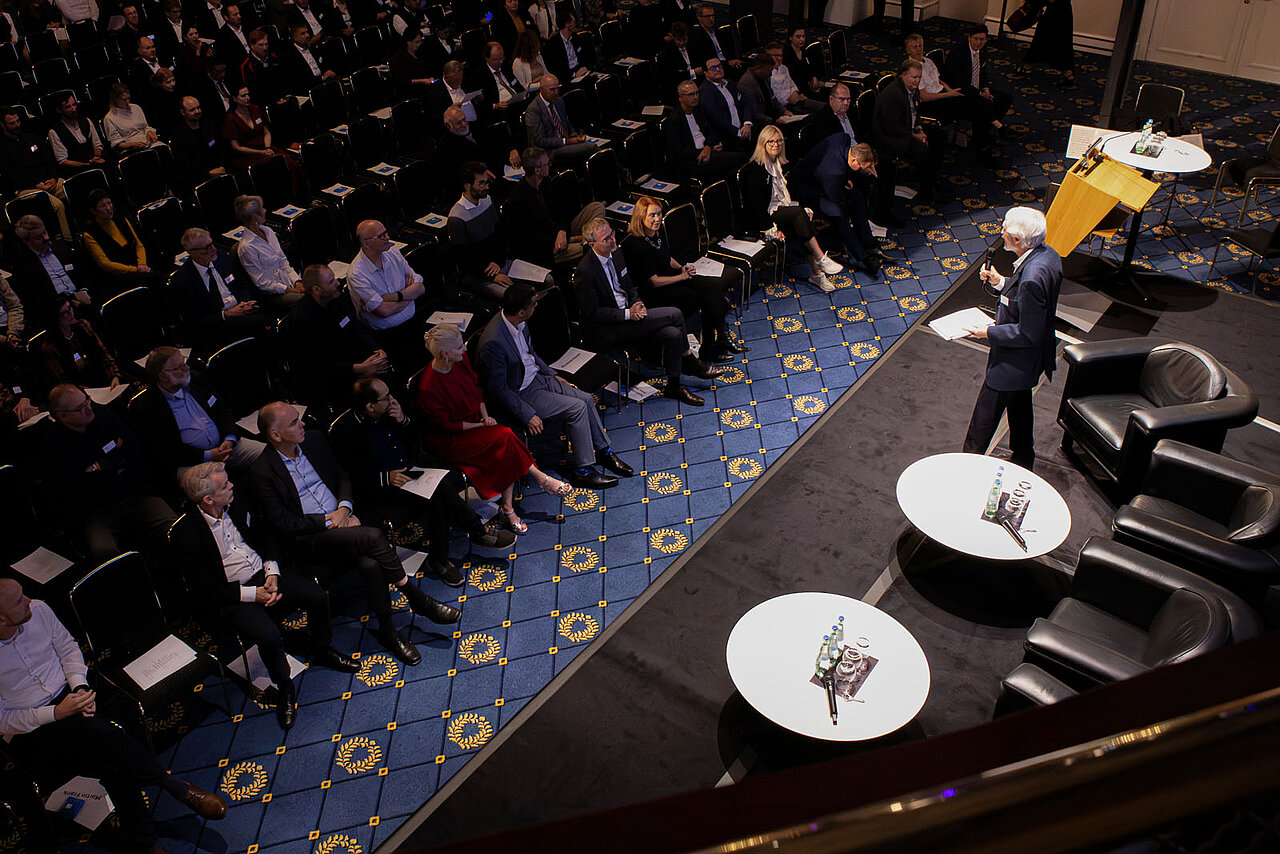
    Three panel discussions focused on HPC in academic research, HPC for industry, and the benefits of collaboration across the HPC community.
  • A man gives a lecture at a podium.
    Jean-Philippe Nominé (CEA)
  • Two men shaking hands and laughing
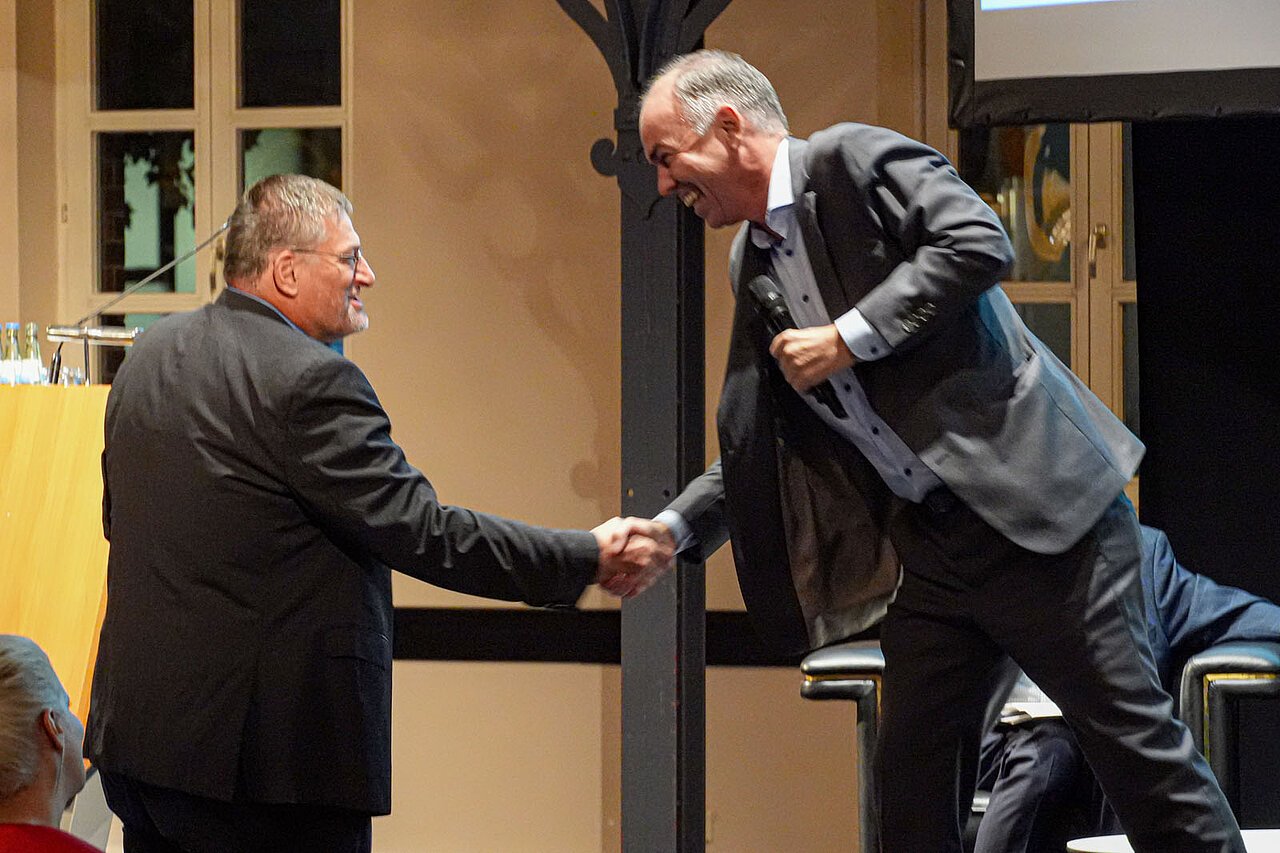
    l-r: Michael Resch (HLRS), Dieter Kranzlmüller (LRZ)
  • Ritter Sport-inspired chocolate bars on the HLRS Rühle-Saal tables
    "Take a byte."
  • A string quartet plays in the foreground, with event attendees in the background.
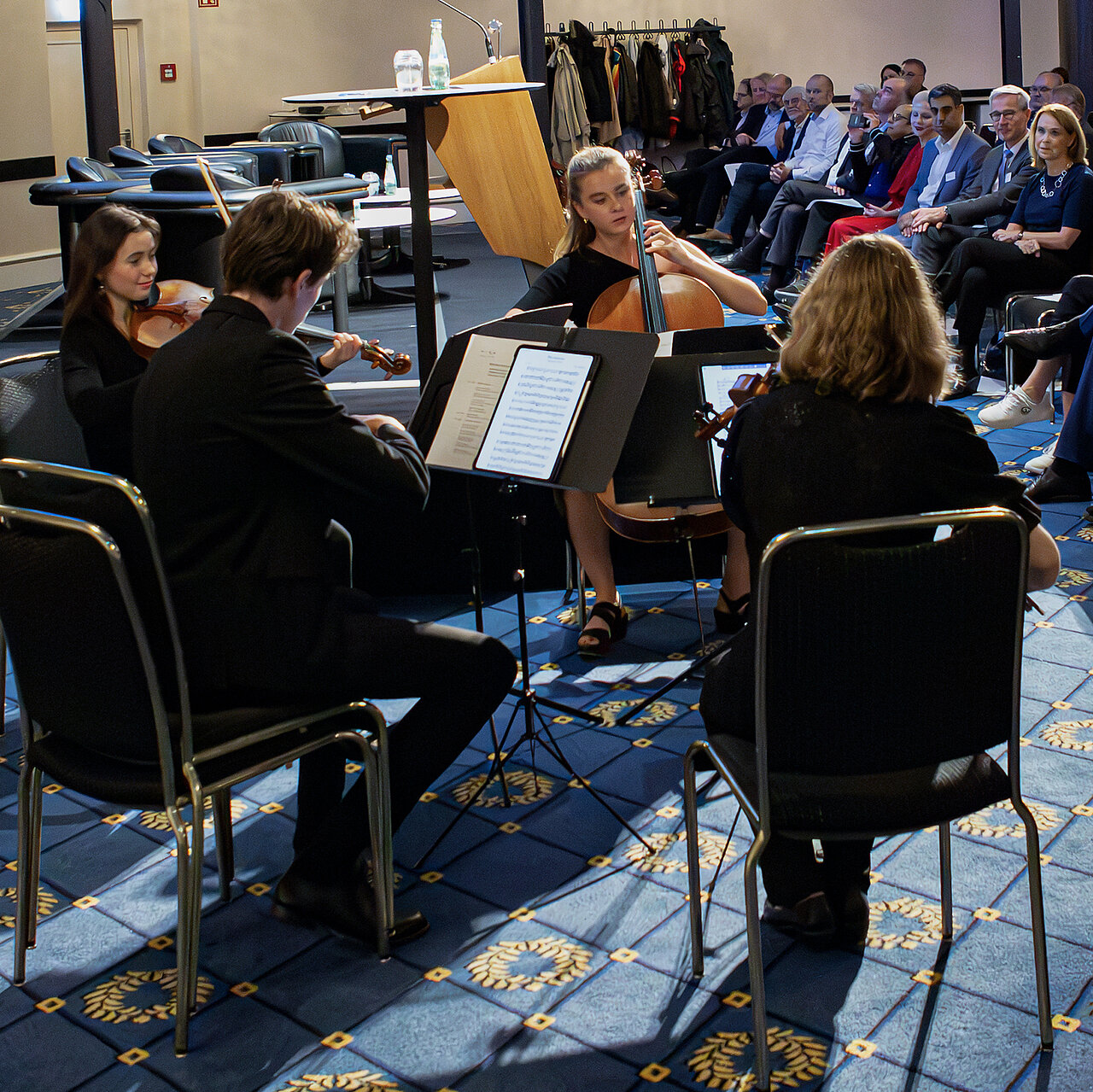
    A string quartet played selections by Mozart, Schubert, and Piazzolla.
  • Panel discussion
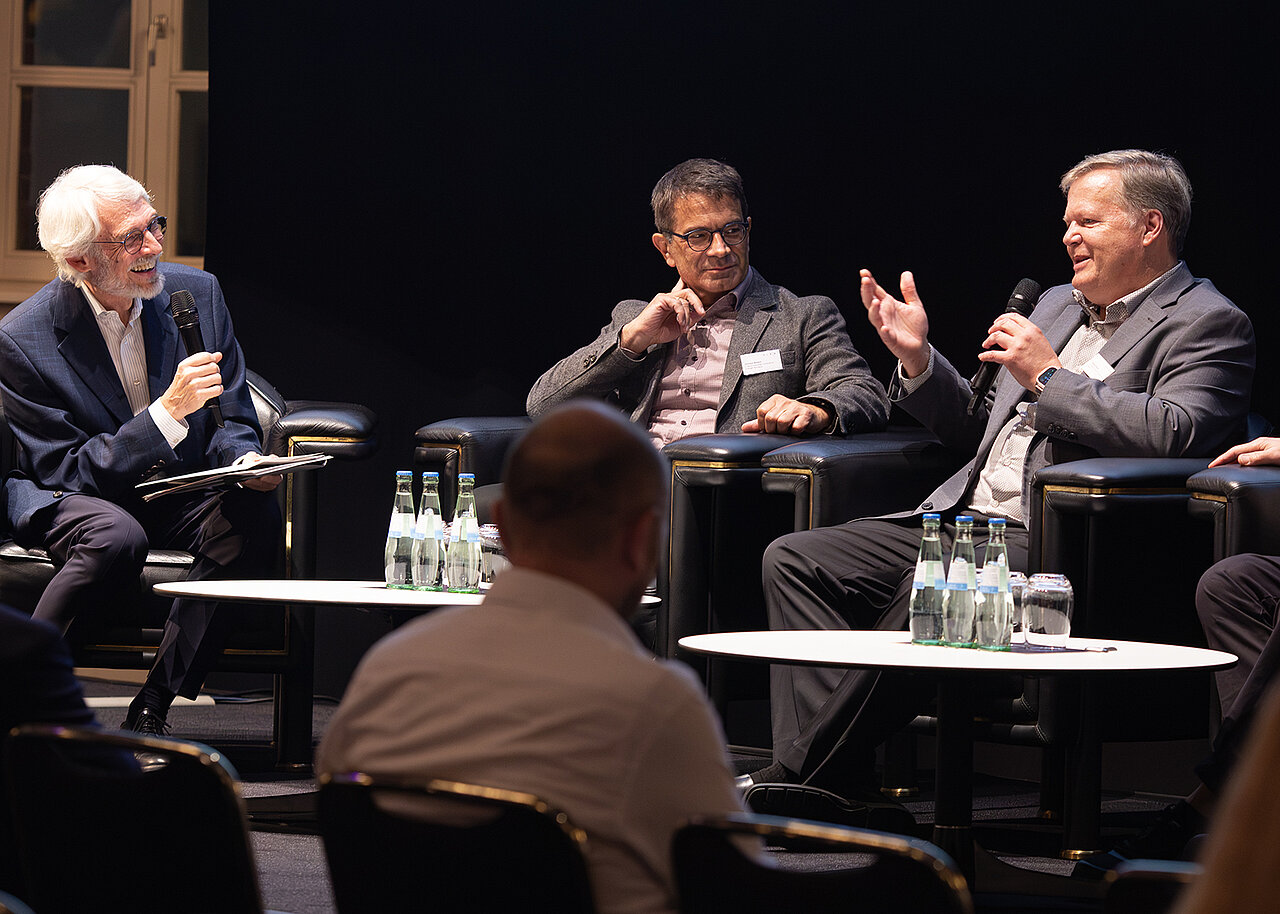
    l-r: Eric Schnepf (moderator), Gerhard Wellen (FAU Erlangen-Nürnberg), Thomas Hauser (NCAR, retired)
  • A man holds a microphone while giving a speech.
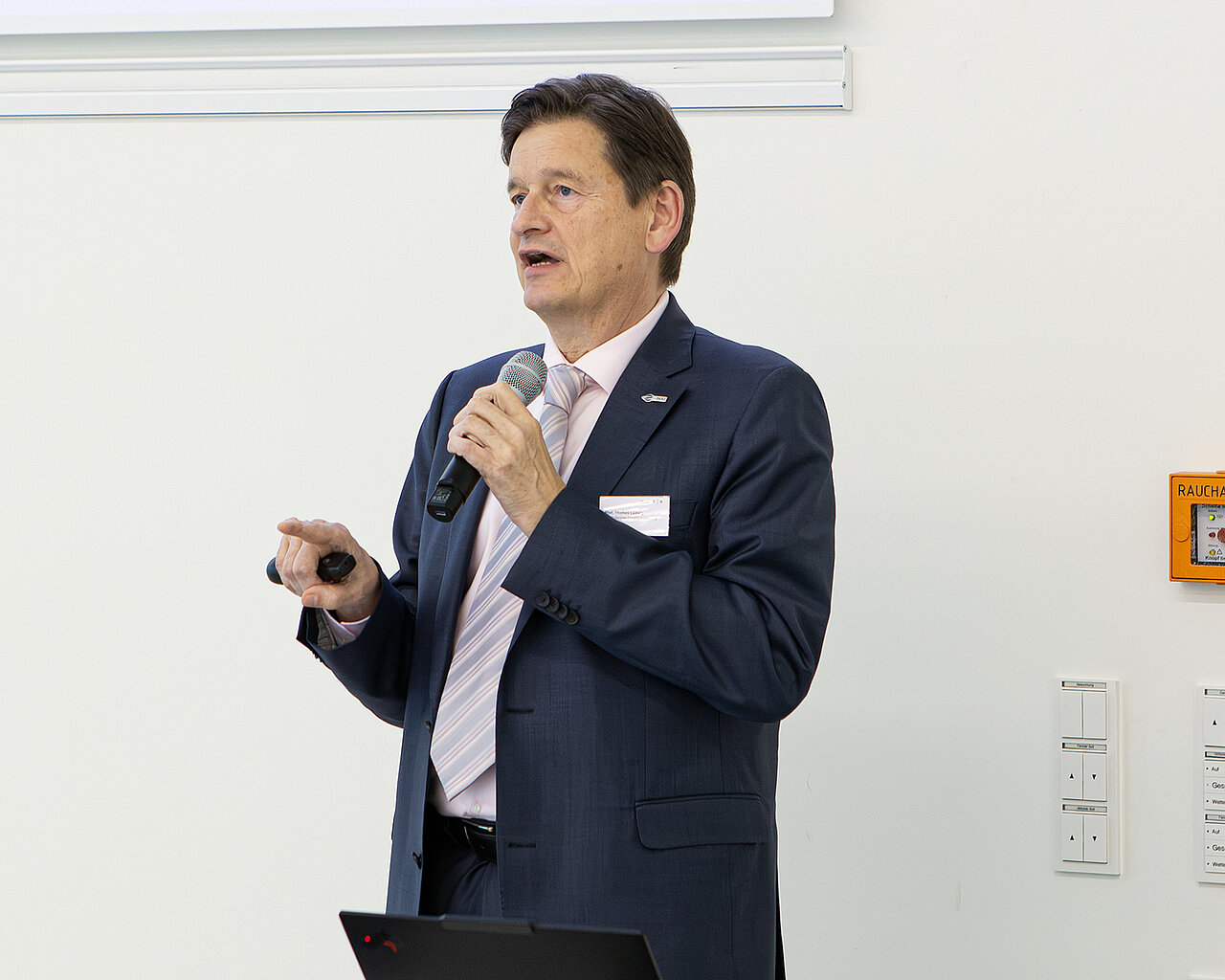
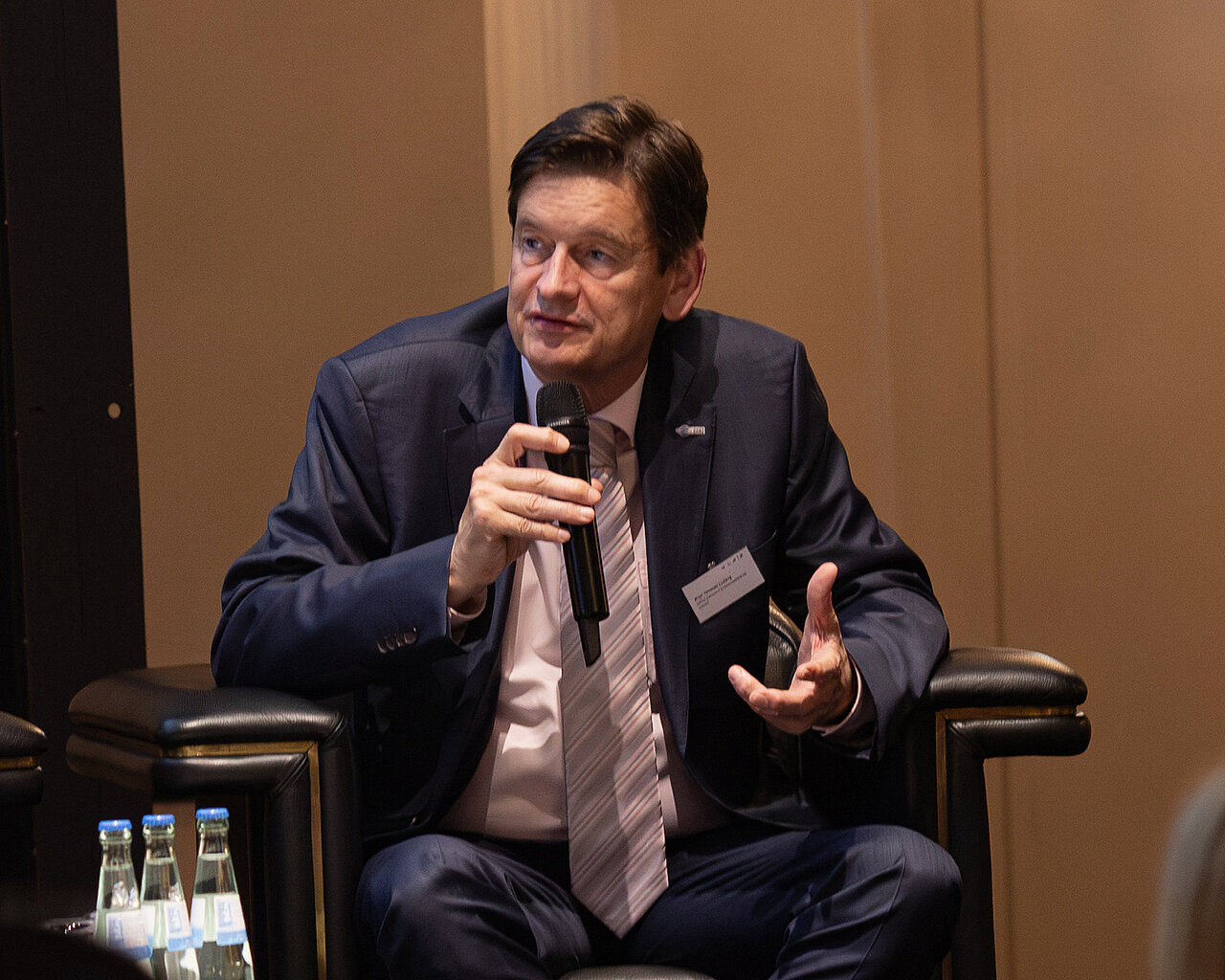
    Thomas Ludwig (DKRZ)
  • Panel discussion
    l-r: Eric Schnepf (moderator), Bastian Koller (HLRS), Marc Fischer (HPE)
  • A man holds a microphone while giving a speech, glancing at a screen on the wall.
    Matthias Meinke (RWTH Aachen)
  • Panel discussion
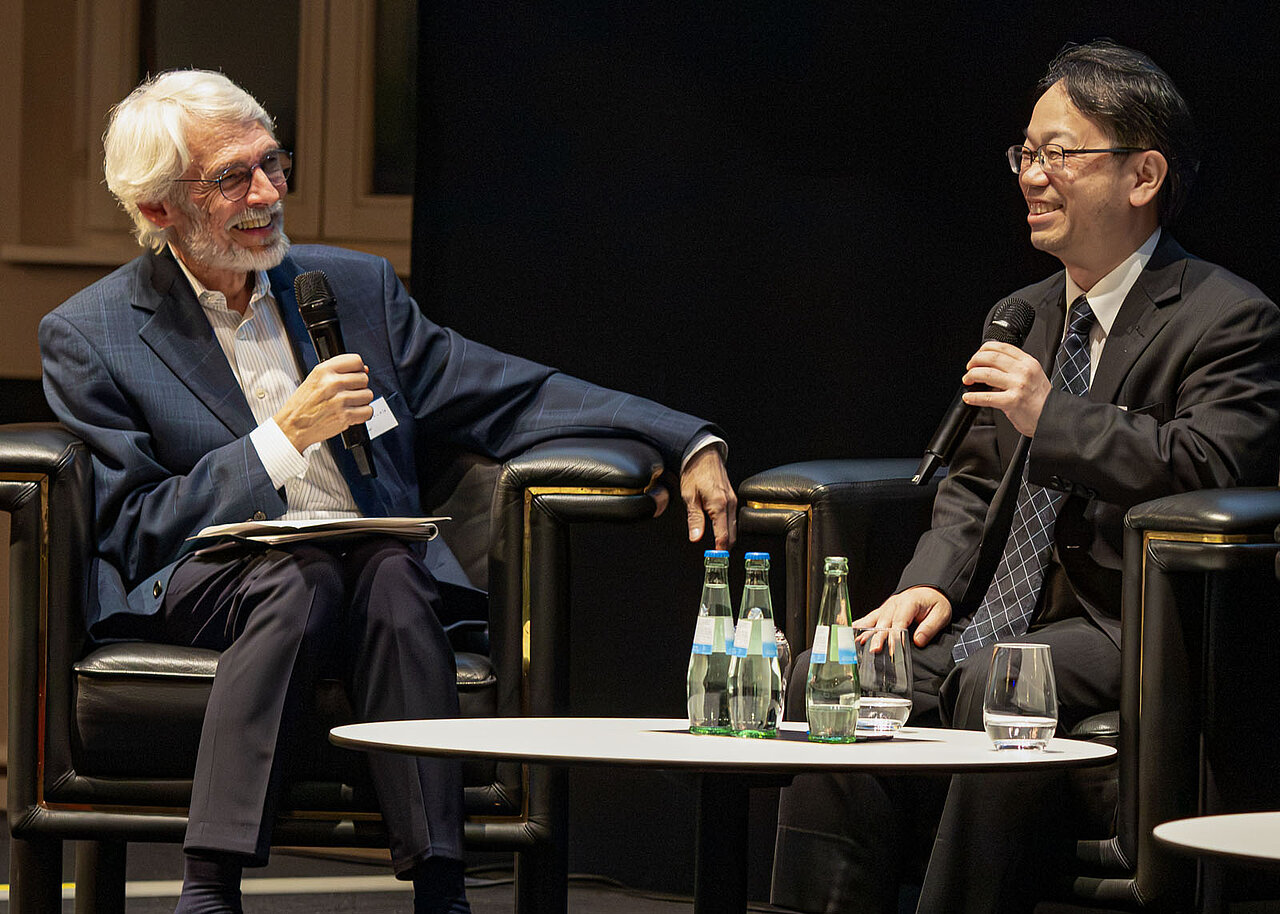
    l-r: Eric Schnepf (moderator), Hiroyuki Takizawa (Tohoku University), Kimmo Koski (CSC – IT Center for Science), Dieter Kranzlmüller (LRZ)
  • Photo of full HLRS Rühle Saal from back of room.
    Scientific colloquium in the HLRS Rühle Saal.
  • Panel discussion
    l-r: Kimmo Koski (CSC – IT Center for Science), Dieter Kranzlmüller (LRZ), Martin Frank (KIT)
  • Photo of audience
  • A man speaks at a podium.
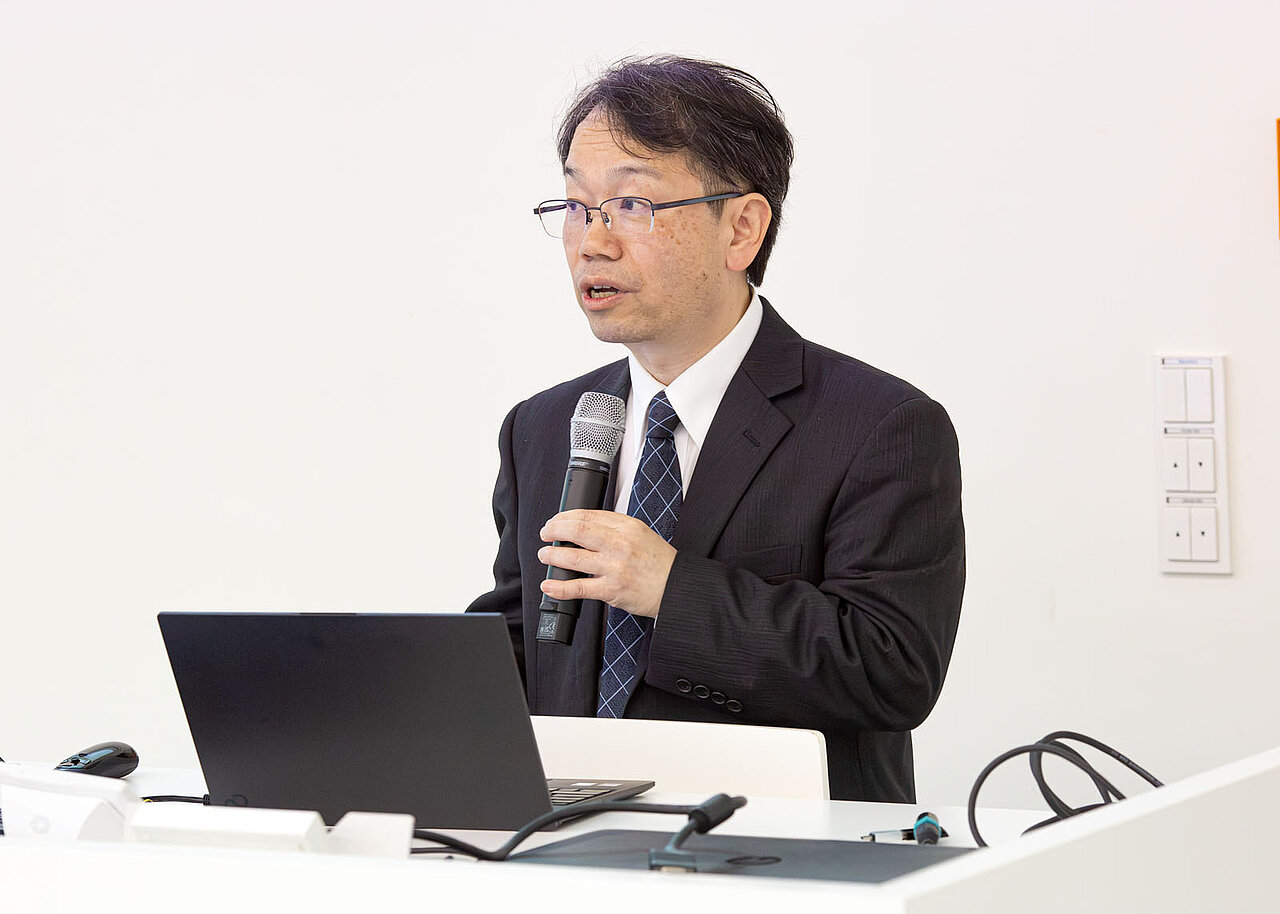
    Hiroyuki Takizawa (Tohoku University)
  • Panel discussion
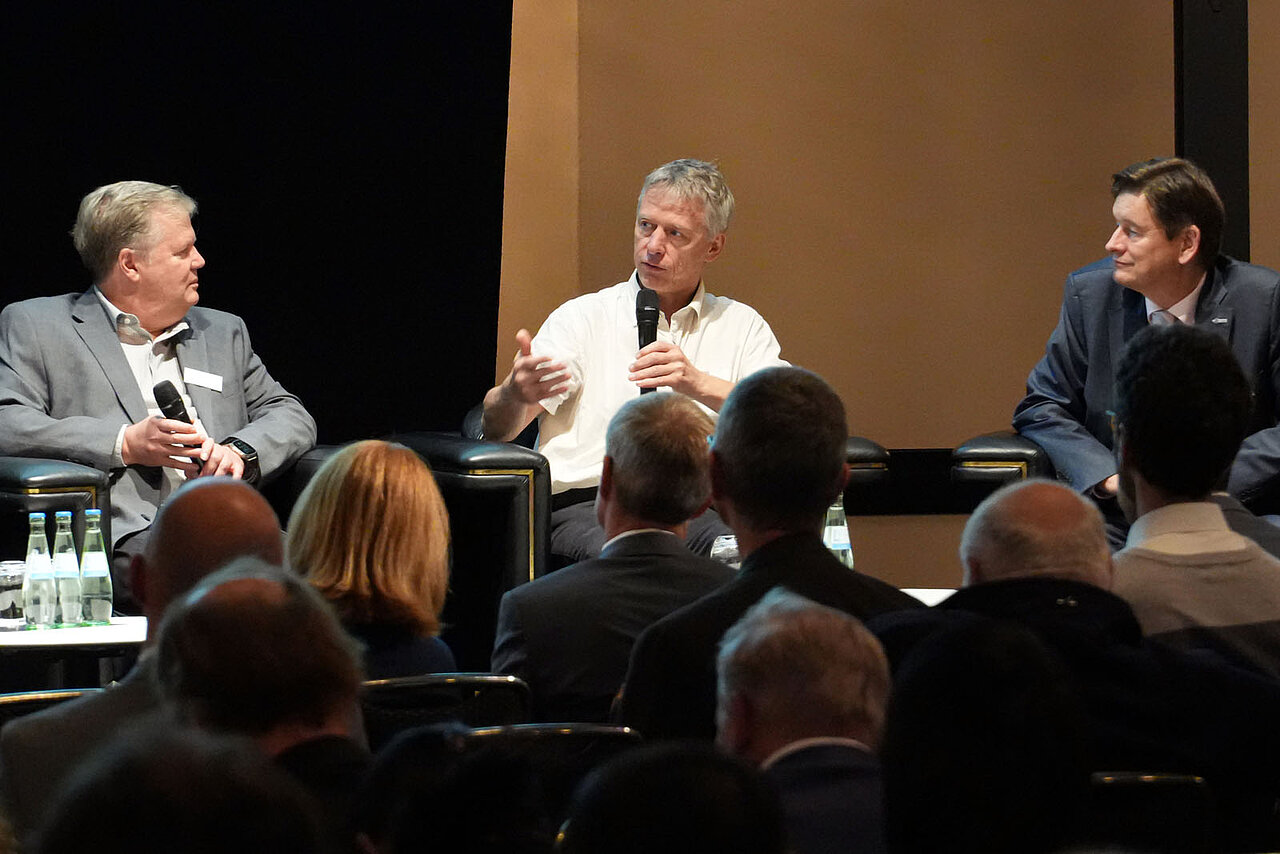
    l-r: Marc Fischer (HPE), Tom Schneider (TRUMPF), Michael Junginger (Porsche)
  • An audience sits at tables listening to a lecture in an auditorium.
    Scientific colloquium in the HLRS Rühle Saal.
  • Panel discussion
    l-r: Eric Schnepf (moderator), Gerhard Wellen (FAU Erlangen-Nürnberg), Thomas Hauser (NCAR, retired)
  • Panel discussion
    Thomas Ludwig (DKRZ)
  • A man speaks from a podium in front of an audience with a large screen behind him.
    University of Stuttgart Rector Peter Middendorf delivered welcoming remarks.
  • Panel discussion
    l-r: Eric Schnepf (moderator), Hiroyuki Takizawa (Tohoku University)
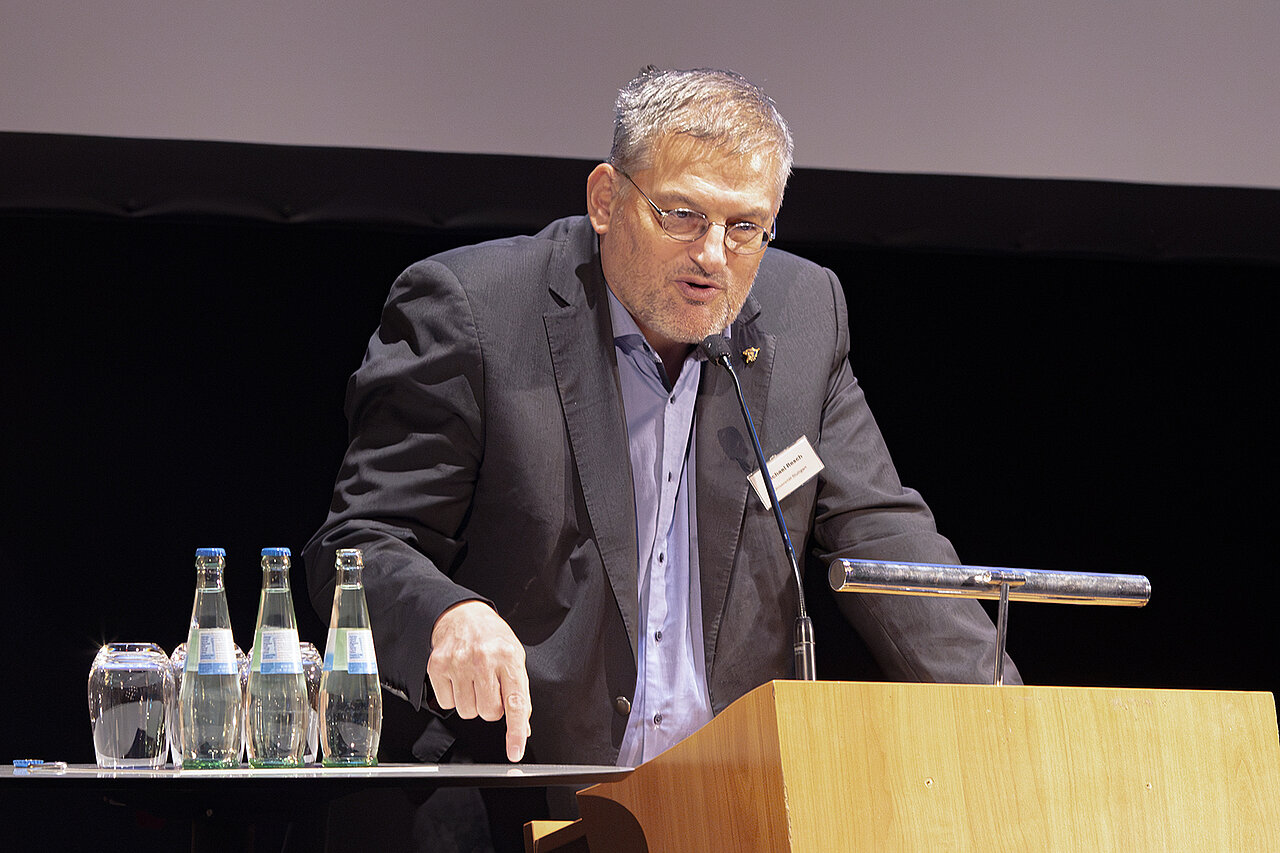
  • A man speaks at a podium
    Michael Resch (HLRS)
  • A man holds a microphone while giving a speech
    Wolfgang Nagel (TU Dresden)
  • Panel discussion
    l-r: Thomas Hauser (NCAR, retired), Matthias Meinke (RWTH Aachen), Thomas Ludwig (DKRZ)
  • Photo of stage and audience from overhead.
    Eric Schnepf, an HPC expert and consultant for the ISC Group, moderated three panel discussions.
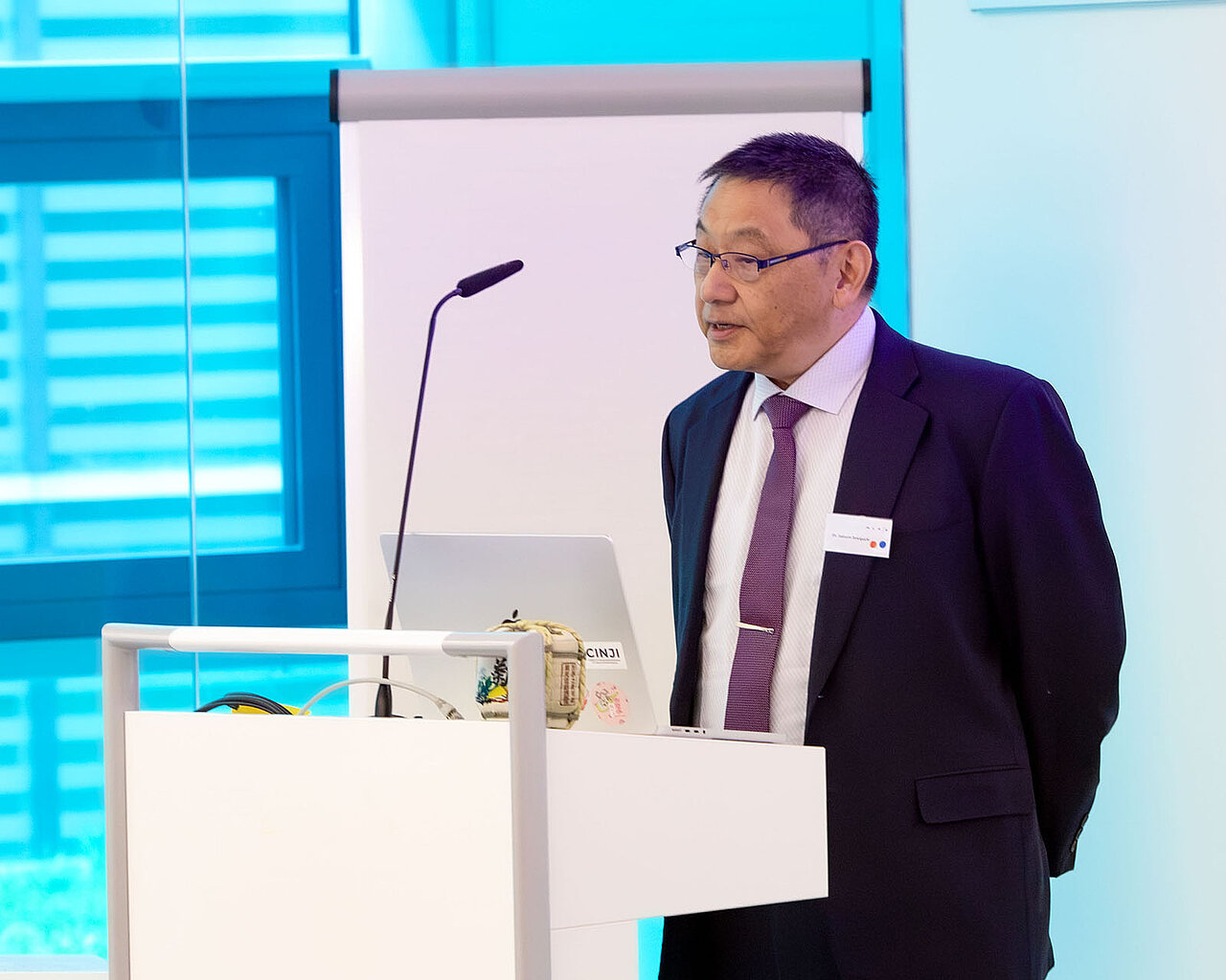
  • A speaker gives a lecture at a podium.
    Satoshi Sekiguchi (advisor, National Institute of Advanced Industrial Science and Technology, Japan)
  • A woman speaks at a podium
    Petra Olschowski (Baden-Württemberg Ministry of Science, Research and Arts)
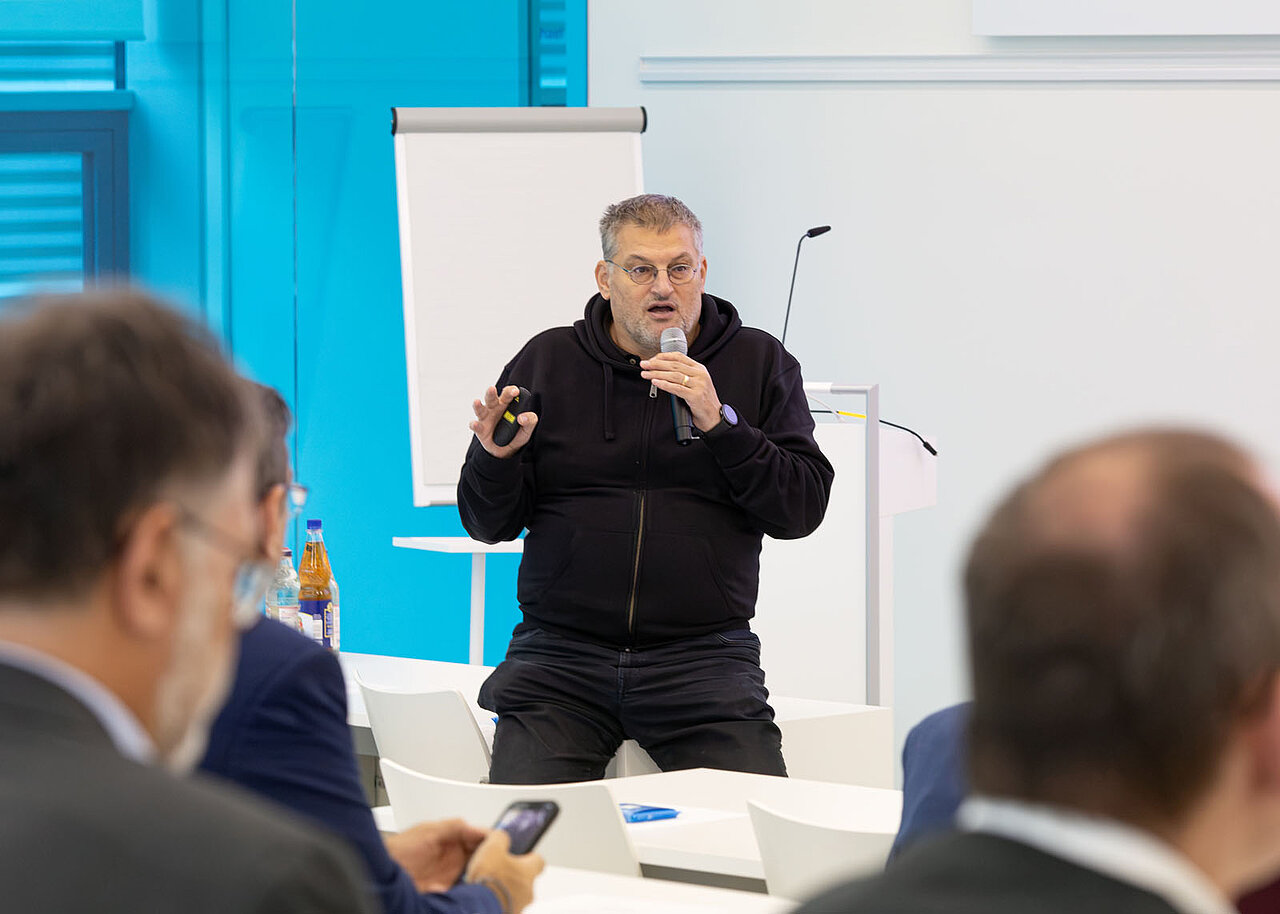
  • A man sits on a desk, holding a microphone and giving a speech at the front of an auditorium.
    Michael Resch (HLRS)