High-Performance Computing Center Stuttgart


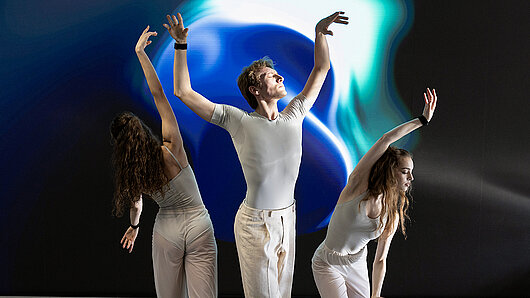
Since its co-founding in 2018 by the High-Performance Computing Center Stuttgart, the Center for Art and Media Karlsruhe (ZKM), and the Hochschule der Medien, the Media Solution Center Baden-Württemberg (MSC) has brought together artists, scientists, and technologists to explore opportunities for collaborative innovation. Now connected to a growing European network of organizations from across the culture and creative industries, the MSC supports initiatives that leverage Europe's global cultural leadership and capabilities to strengthen its artists and creative communities in an era of rapid technological change.
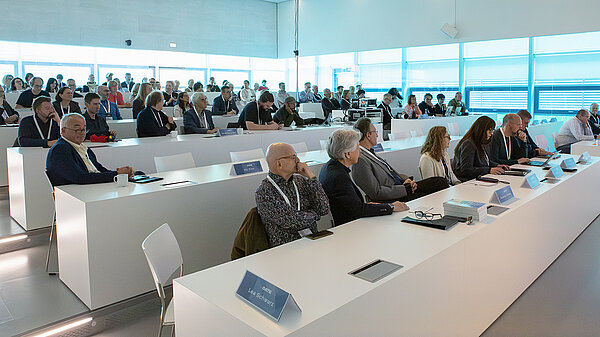
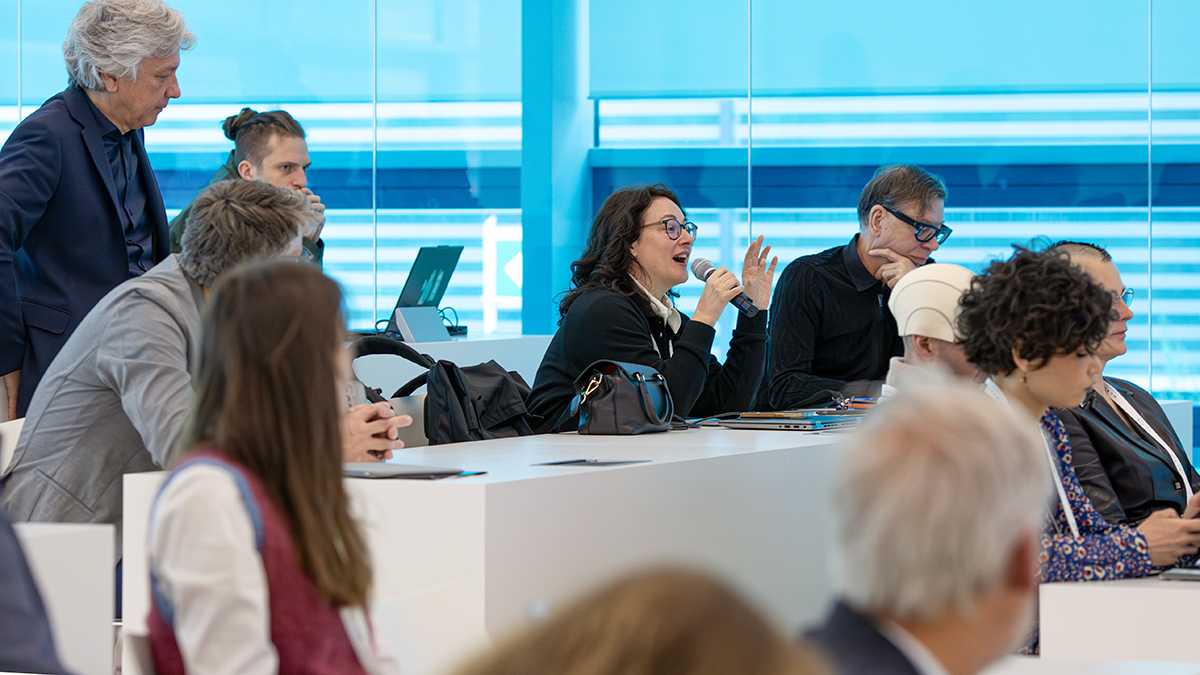
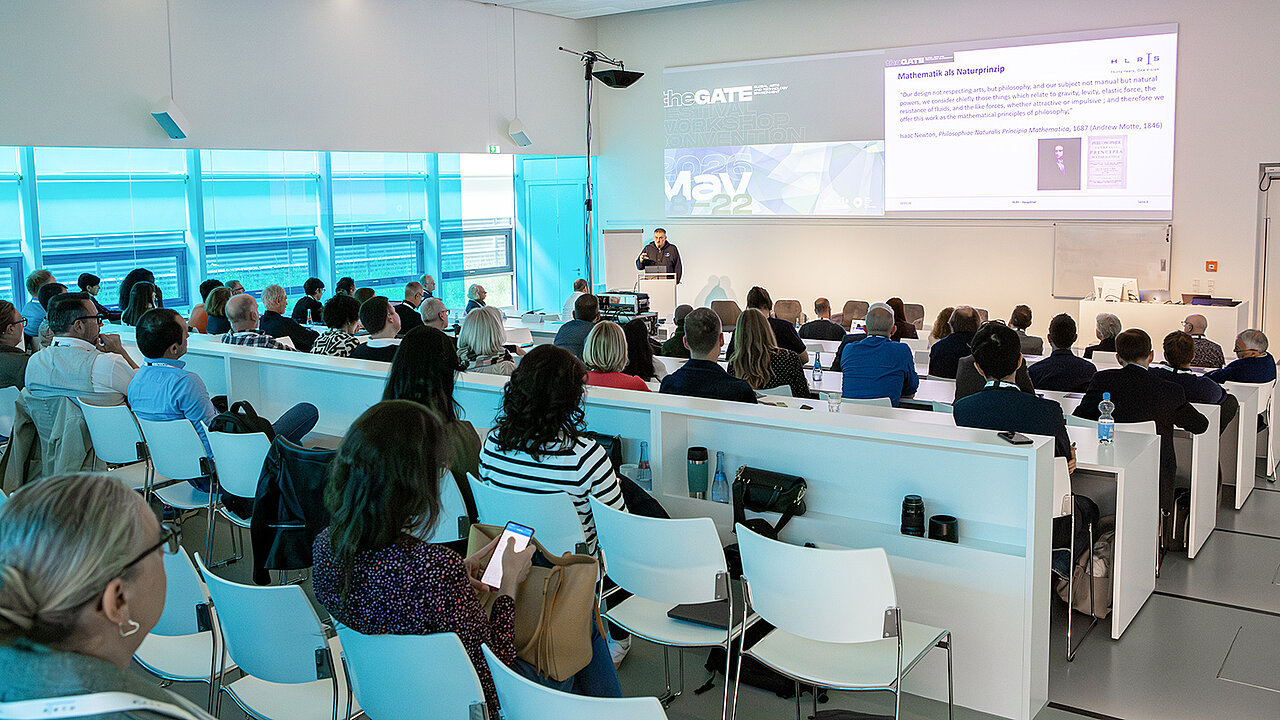
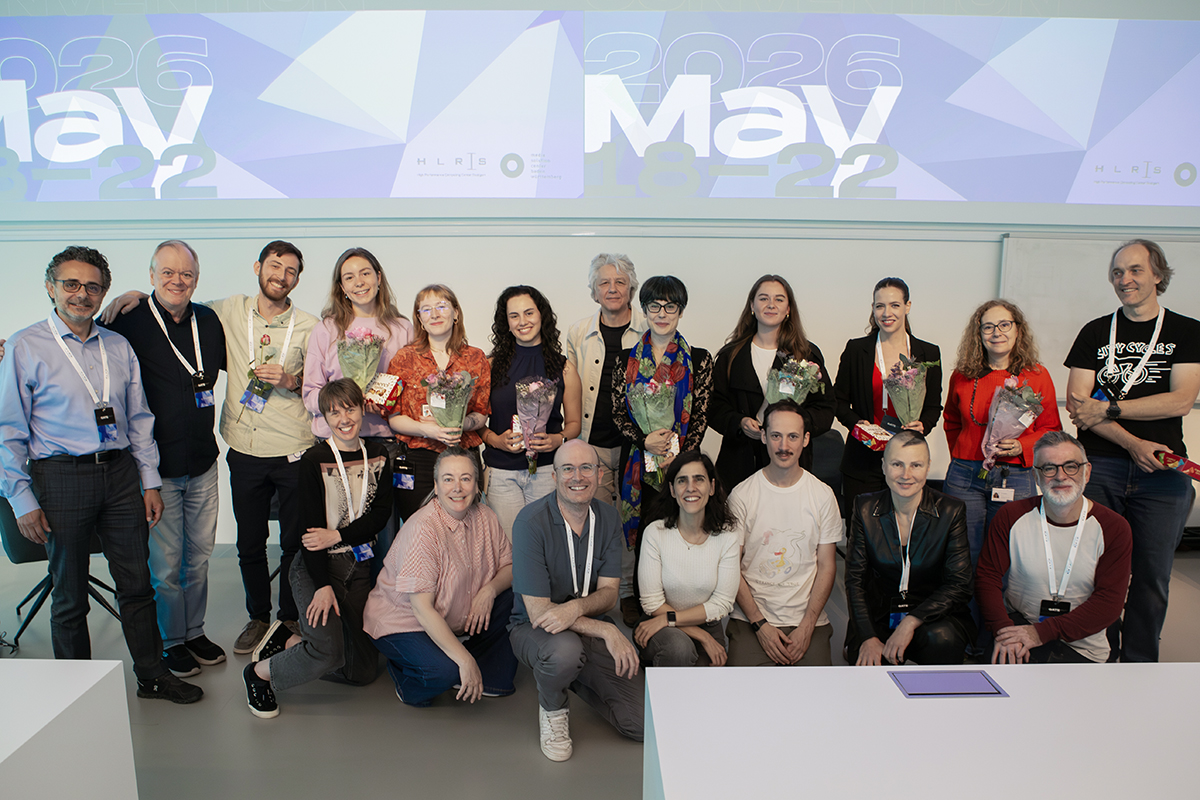
To examine how digital technologies are transforming the culture and creative industries, and to illuminate the opportunities that arise at the intersection of science, the arts, and technology, the High-Performance Computing Center Stuttgart recently hosted a weeklong international festival that brought together more than 150 cultural and innovation managers, artists, and scientists. Named theGATE, the festival was the second in an ongoing series that launched in 2024 in Barcelona. The Media Solution Center organized this year's event, which took place in Stuttgart on May 18-22, 2026.
theGATE 2026 featured three interrelated tracks. The first was the eCulture Convention, which featured lectures and panel discussions to foster dialogue among leaders from across Europe's CCSI community. In parallel, the ReACH Workshop offered artists the opportunity to interact directly with scientists and experts in digital technologies and to receive practical guidance on projects in development. In the final track, theGATE presented ten recent artistic projects that employ advanced digital technologies, including several created during artistic residencies at HLRS supported by the European Union's S+T+ARTS E(C)HO program.
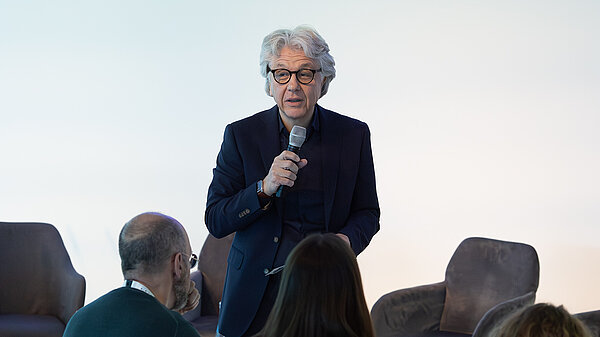
In his opening remarks, Media Solution Center Managing Director Matthias Hauser pointed out the importance of interdisciplinary collaboration in a time of technological transformation, saying, "The true purpose of culture is not to transform the world overnight, but to deepen the way we experience and understand life every day... When artists, scientists, researchers, engineers, business, philosophers, and society come together through these shared tools and ideas, real change becomes possible." theGATE Festival offered a rich program to explore the results of such interdisciplinary collaboration, and to develop strategies to strengthen the contributions of European culture and creative industries to technology-driven social and cultural change.
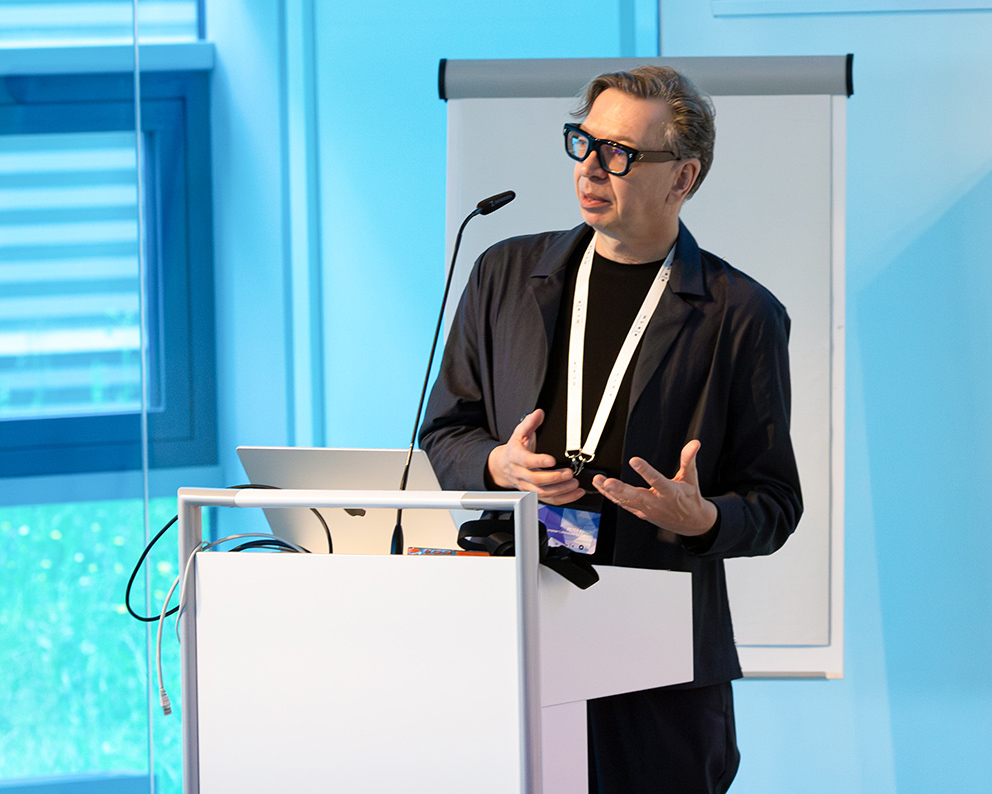
In a keynote address, Peter Friess, a senior program officer in the European Commission's Directorate General for Communications Networks, Content and technology (DG CONNECT) and the S+T+ARTS program, offered a conceptual framework for the discussions that followed. Building on ideas from author David Berry and philosopher Bruno Latour, he argued that computing technologies have become an infrastructure that shapes social and cultural life. As a result, it is important to understand what values motivate how this system operates. Friess suggested that interdisciplinary collaboration between the arts and sciences has an important role to play in this process.
"The call is for a broader cultural response in which science, technology, art, education, and public life come together to protect precisely those qualities that computational systems tend to erode," he explained. "(A)rt has a distinctive role, because it can make systems visible, tangible, and open to debate. But it is most powerful when understood as part of a wider set of practices that restore the conditions for judgment, responsibility, and reflection. The next stage of collaboration between science, technology, and the arts may lie in helping us to move from innovation as acceleration to innovation as orientation: from building faster systems to shaping more accountable ones, from optimizing performance to reflecting on significances, and from passive adoption to collective judgment about what kinds of technological futures are worth building."
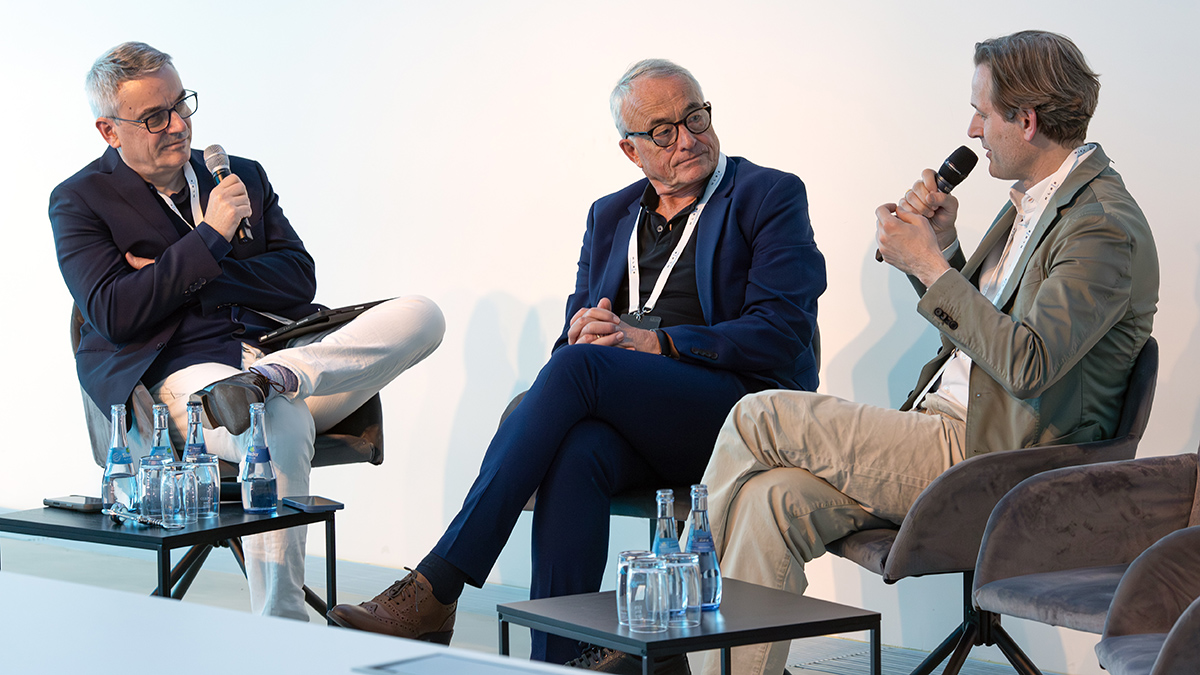
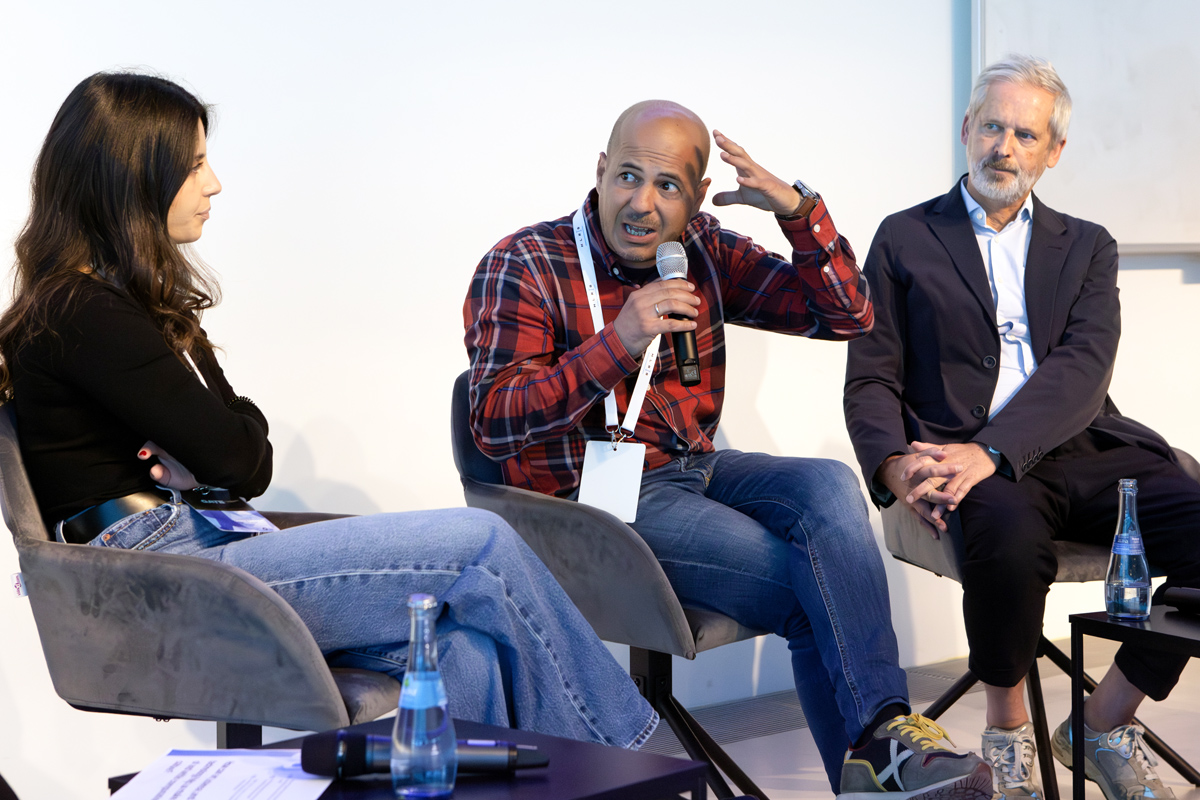
Throughout the eCulture Conference, speakers emphasized the urgent need for Europe to take control of its digital future and for artists to help define how that future that will meet society's needs and values. In a panel discussion focusing on the impact of AI on culture, author Matthias Pfeffer of the Council for European Public Space pointed out that "Silicon Valley (is) ... building the operating system of our society." Referring not just to the impact of these developments on the arts, he argued that Europe must develop a sovereign AI infrastructure. Collaboration between scientists and artists could help to shape how this process unfolds.
Several speakers asserted that it would be a mistake for artists to ignore or oppose the advance of AI-based infrastructure and tools. Claudia Jericho, a consultant working with the KreativBund, the Society for Artistic Research, and the Media Solution Center, pointed out that the European artistic and creative communities need to be involved now in shaping how AI develops in Europe.
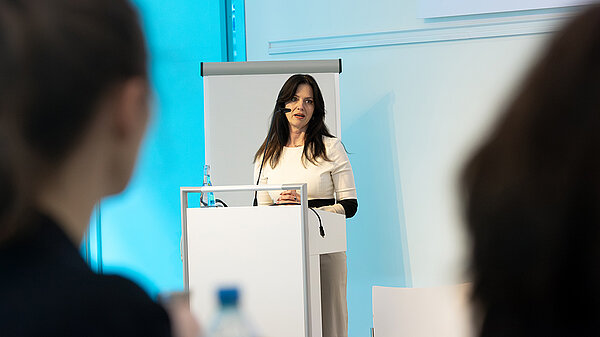
"Design choices will decide what kind of AI we get," she argued, "and those choices are about what counts as data, what counts as knowledge. These are cultural questions before the technological ones. That's why CCSI need to be at this table... We can build technology and AI that is shaped by European values, by European diversity, by a European understanding of security and privacy, and most of all, by culture and research traditions that Europe has spent centuries in refining. This is really the point where culture stops being the soft argument. That is the foundation to make Europe livable, attractive, and competitive at the same time."
Francisco Javier Iglesias Garcia, Head of Digital Transformation and Innovation at Barcelona's Fundación Épica La Fura dels Baus echoed this view, suggesting that artists should be confident in their ability to support the development of sovereign computing infrastructures. "It is important now for the (culture and creative) sector to say we are strong, we can contribute with knowledge," he stated. "I always push artists to understand that you don't have to be scared. This is a new opportunity... We (should) be much more scared of a future of the world without us... We have to be there, we have to contribute, we have to debate, we have to discuss, and we have to be able to freely share."
The culture and creative industries employ more than 9 million people across Europe, making them a significant contributor to the continent's economy. For this reason, the European Union has recently increased its strategic focus on supporting cultural industries as a driver of innovation and economic growth.
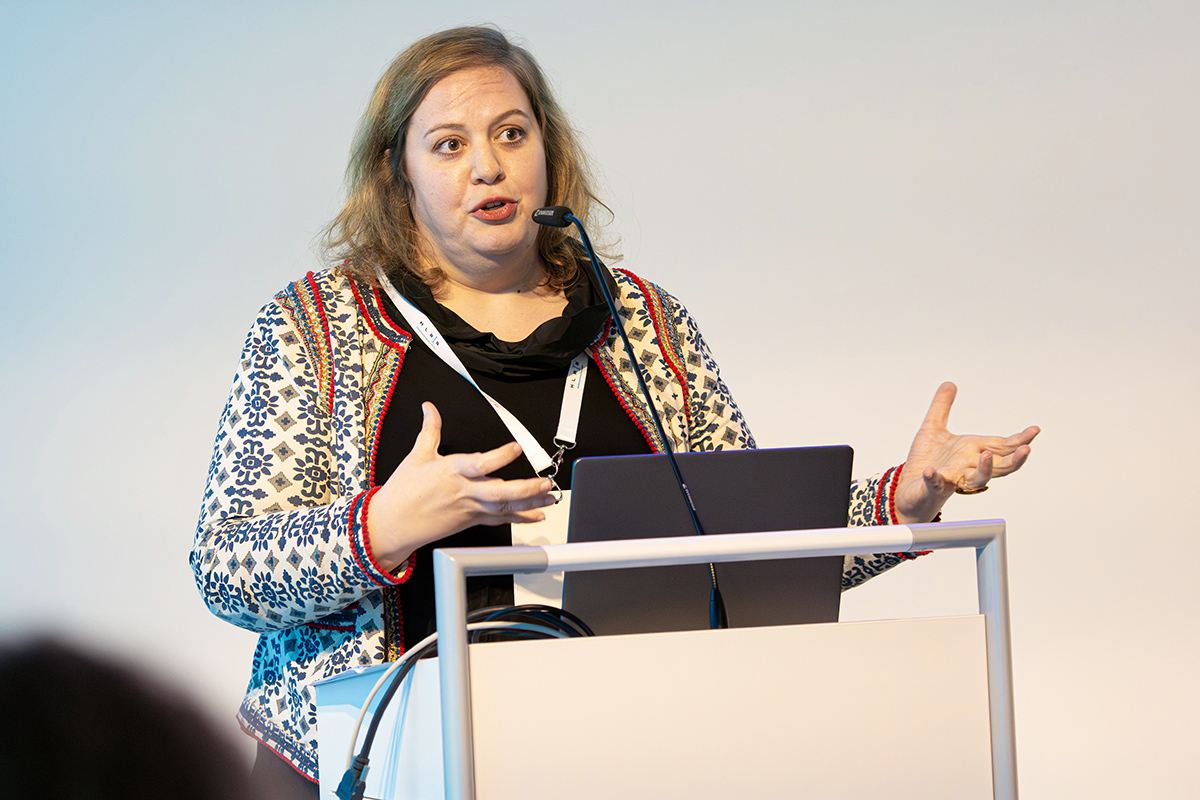
The Media Solution Center is one of several programs across Europe that are working to promote innovation and economic development by building bridges between different knowledge communities. Another is EIT Culture & Creativity, a European Union initiative focused on strengthening Europe's cultural and creative sectors and industries. "We see ourselves as a facilitator of innovation," explained Anette Schaefer, CEO of EIT Culture & Creativity, during her presentation at the eCulture Convention. "We try to empower our partners to achieve what they couldn't do as a single entity, as a university, as an industry partner, as an investor, as a community." These activities include providing grant support, offering strategic mentoring and coaching, and connecting innovators with capital resources, including investors and corporate partners.
Schaefer reported that many of the EIT's successes thus far resulted from connecting artists with academic and community resources. One additional area that holds great potential lies in bringing artists and creatives together with industrial partners. For artists, such collaborations can open access to capital needed to realize more ambitious projects. For companies, working with artists can produce new ideas that lead to innovation, including improved products and services.
According to Anna Christmann, former member of the German federal parliament and cofounder of the Strategic Agency for Innovation in Europe (SAI Europe), European companies need greater encouragement to experiment with new ideas: "Europe and German industry have become a little bit stuck on incremental innovation, going step by step, always making an old product a little bit better and trying to sell it and be as efficient as possible. Worldwide, however, we see more disruptive innovation taking place."
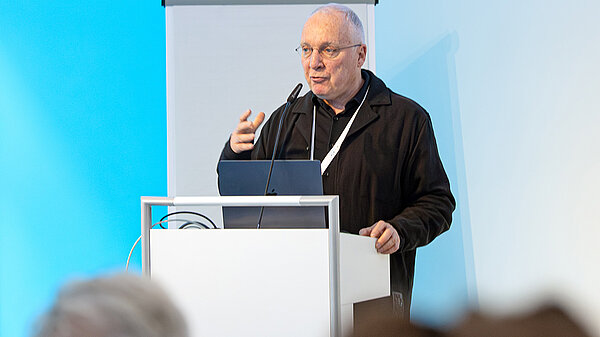
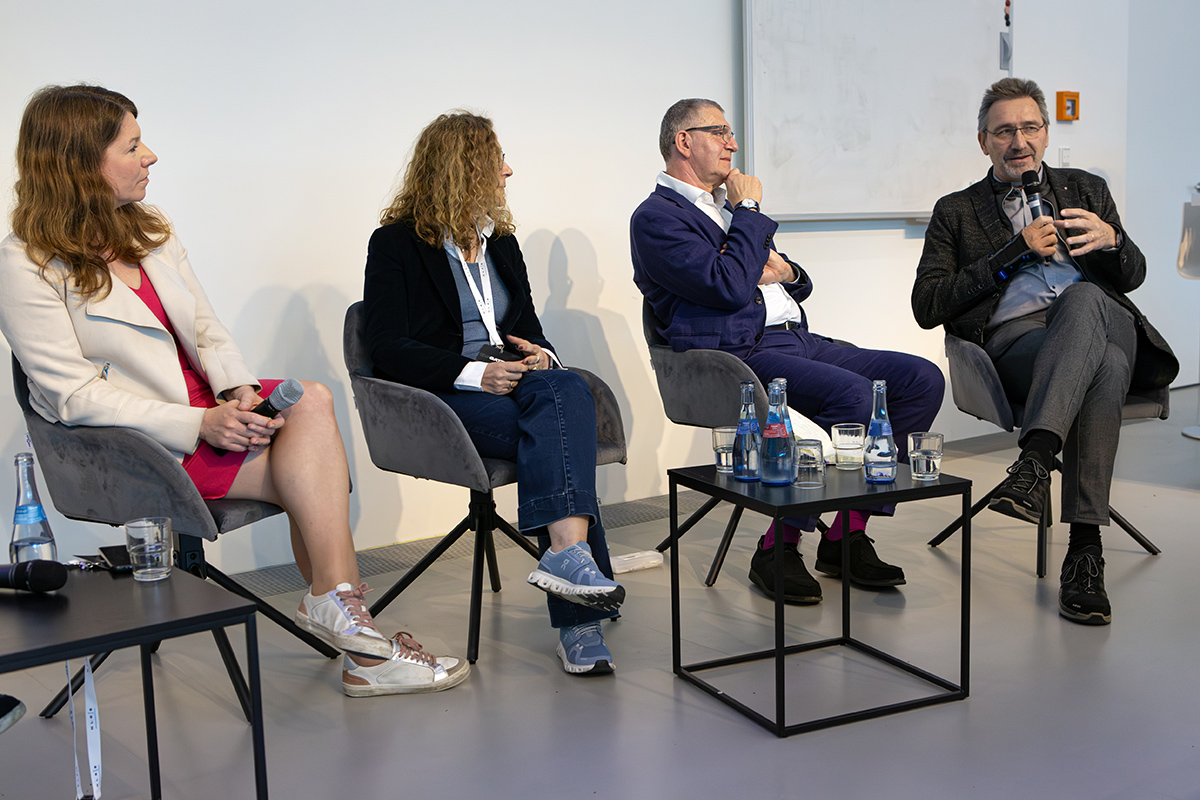
Egbert Rühl of ICE/Kreativgesellschaft Hamburg works to support small companies or employees in creative industries in developing more innovative business models. Increasingly, this means leveraging the opportunities that digitalization and artificial intelligence now offer. He pointed out that the advantages in collaboration between artists and technology experts can generate benefits for both communities: "There's a potential in creative industries to foster innovation, and on the other hand we must ask the question, how can research help creative industries to become more innovative?"
Several speakers in the conference also highlighted the need for better professional training opportunities for artists. A panel on artistic research focused on what kinds of programs and policies could improve the abilities of creative professionals to launch sustainable careers. Rolf Hughes, Education Director at EIT Culture & Creativity, pointed out that although artists graduate from fine arts schools with valuable, specialized skills, a lack of defined career trajectories or networking with other disciplines can limit their long-term prospects. "How might we best connect skills frameworks, education, business and entrepreneurship, and accreditation mechanisms, such that we can make knowledge transfer more meaningful and enduring?," he asked.
Beyond its discussions and policy debates, theGATE Festival showcased practical examples of collaboration between artists, scientists, and technology experts. Through artist talks, an art exhibit, and hands-on workshops, participants explored how collaboration between artists and scientists can contribute to vital conversations regarding society's ability to adapt to technological and environmental change.
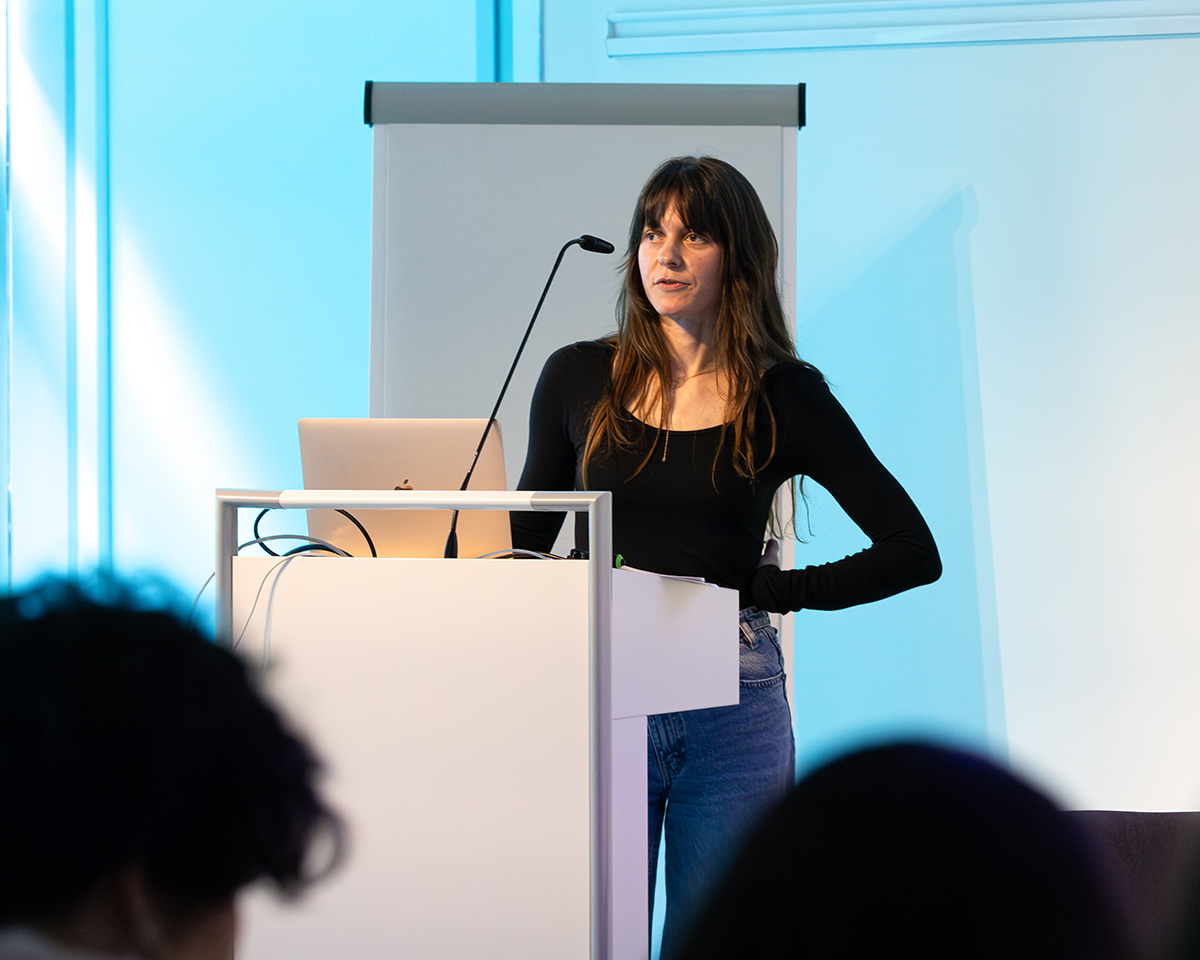
On the final day of the eCulture Convention, for example, Pablo Martínez and Mar Santamaria of Barcelona-based architecture firm trescientosmil explained how artificial intelligence could help architects to learn from traditional building practices in warmer, southern climates and adapt them to northern regions facing the effects of climate change. Other artists in the session presented ongoing work engaging in critical and speculative perspectives on the rise of AI, for example in its potential to replace human interactions or to produce the "AI slop" that increasingly clogs online information environments.
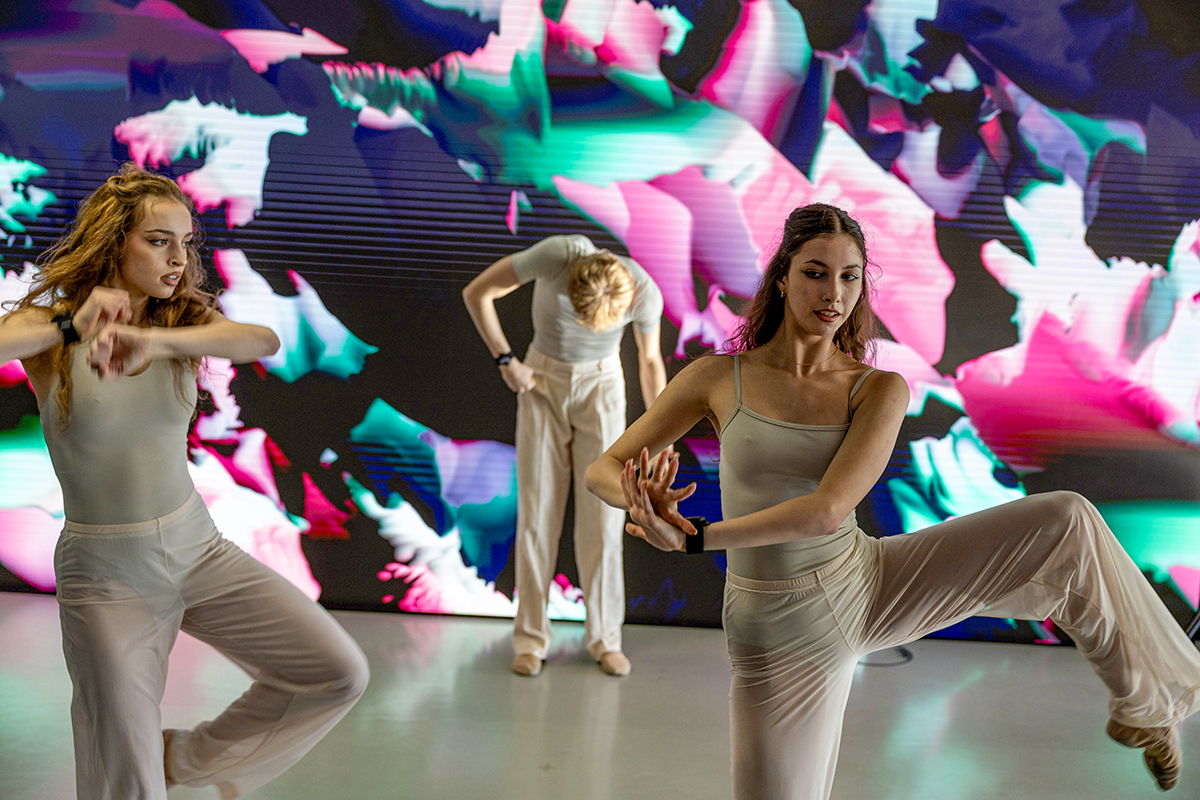
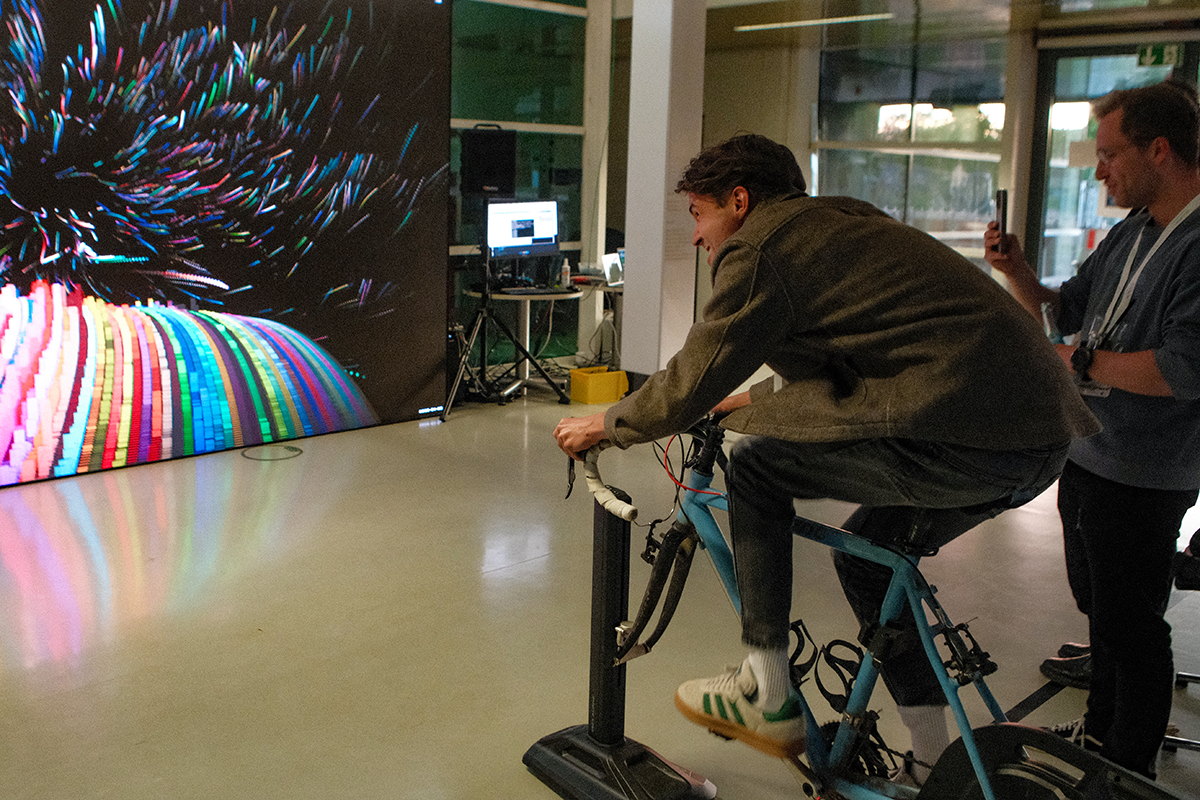
theGATE Festival featured ten recent artworks produced through collaborations between artists and experts in advanced digital technologies. Drawing on methods based in data analytics, simulation, data visualization, and artificial intelligence, the works tested new approaches involving video, dance, mixed reality installation, sound, and performance. Together, they demonstrated how emerging technologies can serve not only as creative tools but also as subjects for critical inquiry and public reflection.
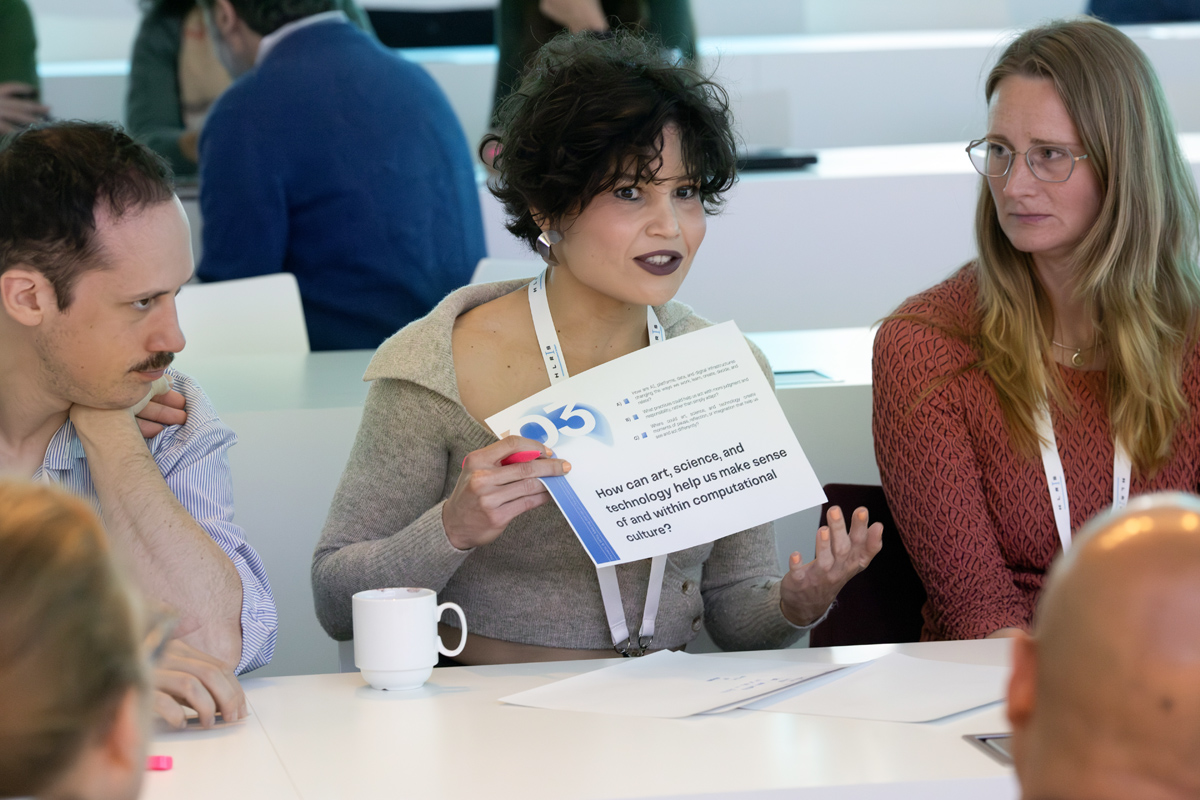
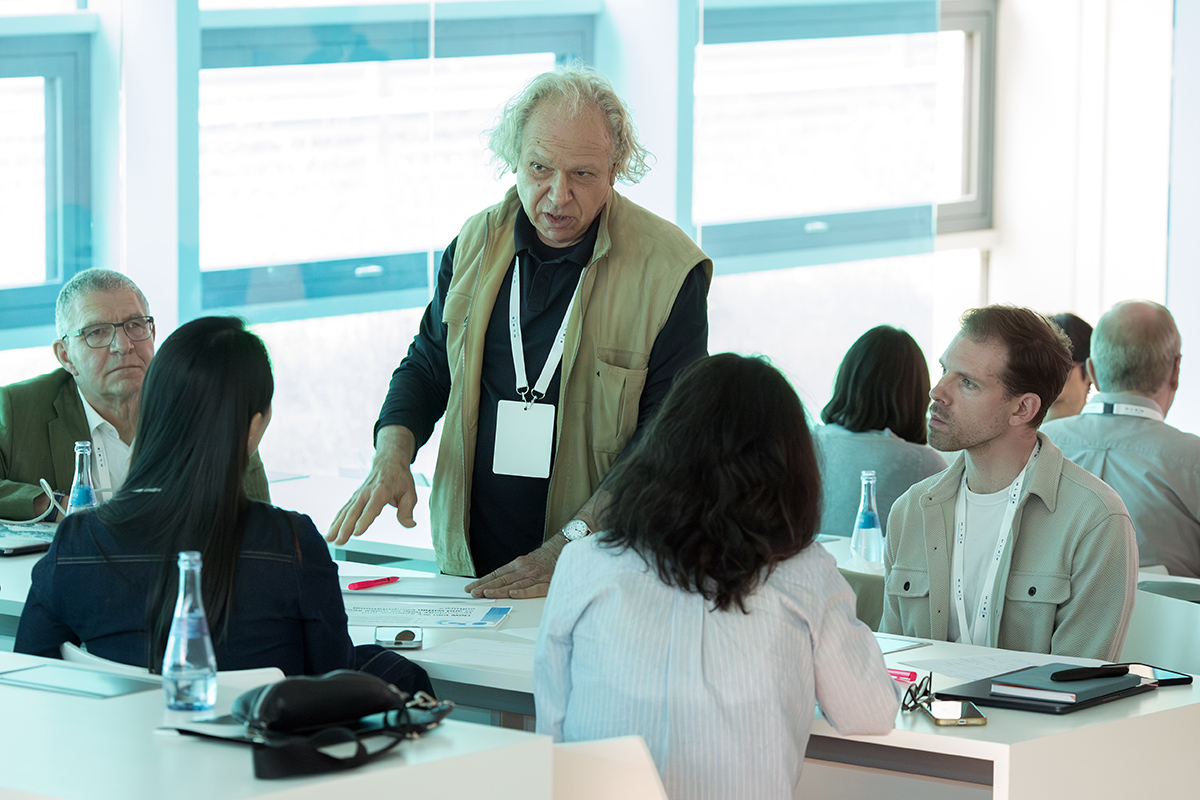
In parallel with theGATE art exhibit and conference, the ReACH workshops offered artists the chance to discuss works in progress and receive advice from technical specialists. Marcos Cuzziol, manager of the Itaú Cultural Institute at the University of São Paolo, Brazil, moderated sessions focusing on AI and the arts, which also included contributions by Alessandro Londei and Denise Lanzieri of Sony CSL Rome and artist Bernat Cuní. In another session focusing on high-performance computing in the arts, HLRS Visualization Department leader Uwe Wössner introduced techniques for running and visualizing large-scale simulations.
Following five days of inspiring conversations, attendees left theGATE with many new ideas and questions. In the coming months, the Media Solution Center will be developing a publication the organizers describe as a "Manifesto," which will document the knowledge produced during the festival and define steps needed to strengthen Europe's culture and creative industries.
Planning will also soon begin for the next iteration of theGATE Festival, which is expected to take place in May 2027.
— Christopher Williams

A member of the Gauss Centre for Supercomputing, HLRS is one of three German national centers for high-performance computing.
